
EREV architecture as the future of electric vehicle production
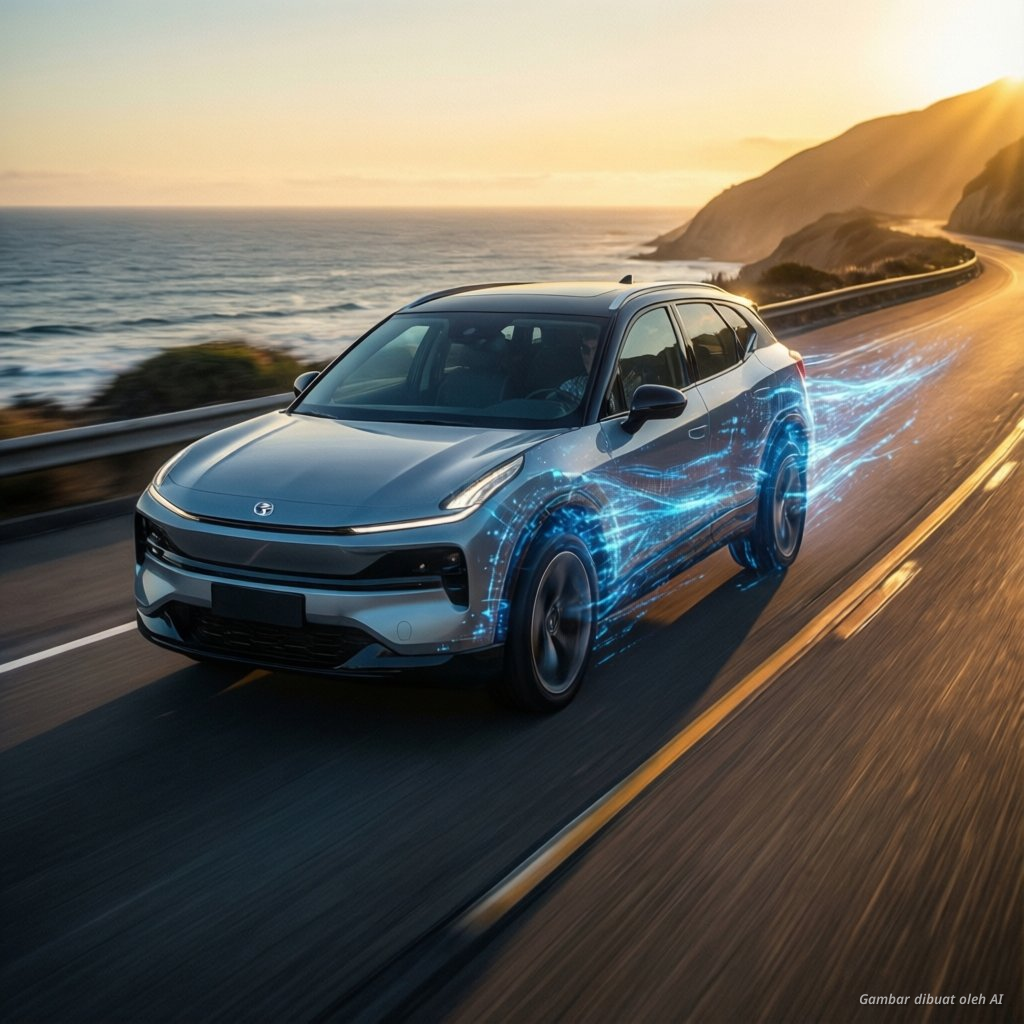
The global automotive world is currently undergoing a major shift toward electrification. Many manufacturers are moving away from internal combustion engines toward more environmentally friendly solutions. In the midst of this transition, EREV architecture has emerged as a highly promising solution for both consumers and the industry [1].
EREV, or extended range electric vehicle, offers the perfect bridge for those who want to switch to electric cars but still have concerns about driving range. This technology combines the efficiency of an electric motor with the flexibility of a small internal combustion engine acting as a generator [2].
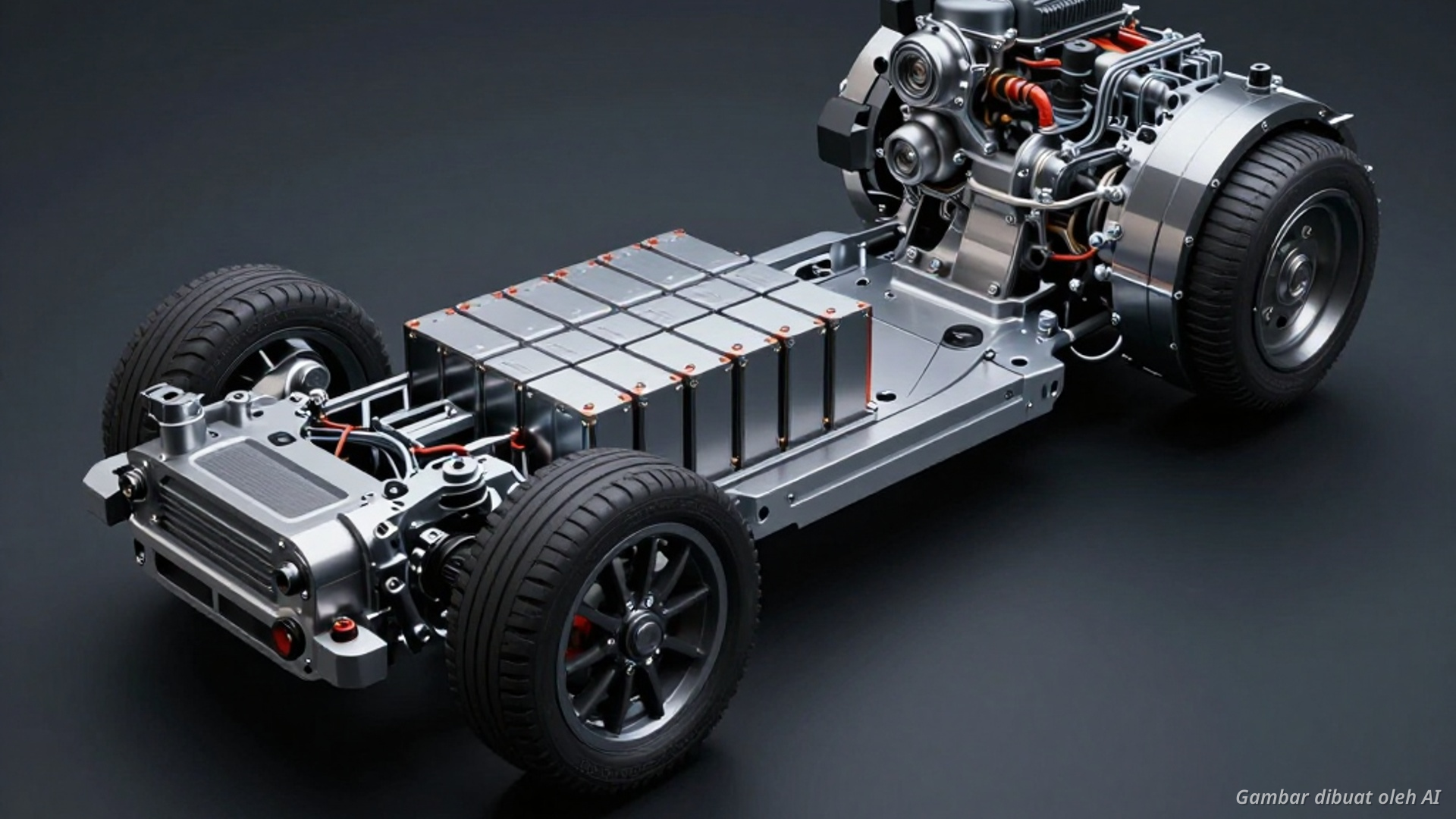
What is EREV technology?
Simply put, an EREV is a vehicle powered entirely by an electric motor. Unlike conventional hybrid cars, the wheels on an EREV are never driven directly by the gasoline engine. The gasoline engine functions solely as a generator to charge the battery when its capacity begins to run low [3].
This system provides a quiet and responsive driving experience, just like a pure electric car. Drivers still benefit from the instant torque that is characteristic of electric vehicles. You no longer need to feel anxious during long trips because refueling remains available at many gas stations [4].
Why EREV is the future of production
Many manufacturers see EREV as a pragmatic solution to accelerate the adoption of electric vehicles. Charging infrastructure in many countries, including Indonesia, is still being developed in stages. EREV allows users to enjoy an electric lifestyle without having to wait for a perfect network of charging stations [5].
Furthermore, high battery production costs are often a barrier to the selling price of electric cars. With EREV architecture, manufacturers can use smaller batteries while still providing a long driving range. This makes the vehicle’s selling price more competitive for the mass market.
Efficiency advantages for consumers
Energy efficiency is the key reason why this technology is considered the future. Because the gasoline engine only operates at optimal revolutions to charge the battery, its fuel consumption is very efficient. This differs from conventional car engines that must work hard under various road load conditions.
For those interested in learning more about modern automotive technology, you can look into understanding the sophistication of the ADAS driver assistance system on the VF7. Supporting technologies like ADAS are often combined with advanced architectures to provide maximum safety for the driver.
Overcoming driver psychological barriers
Range anxiety, or the fear of running out of power on the road, is a primary obstacle to electric vehicle adoption. EREV effectively eliminates this psychological barrier. Drivers have peace of mind knowing that the generator engine is always ready to support their journey.
This flexibility makes EREV an ideal choice for both city use and intercity travel. You can use the pure electric mode for cost-effective daily activities. When the weekend arrives, the generator engine is ready to accompany you on long trips without obstacles.
Impact on the automotive industry
Car manufacturers are now starting to prioritize research into EREV architecture due to its flexibility. They can produce modular platforms for various types of vehicles. This helps significantly reduce research and development costs for global automotive companies.
Additionally, the transition toward net-zero emissions becomes more realistic with the adoption of EREV. While waiting for battery technology to become cheaper and more energy-dense, EREV serves as a highly effective transition. It is a smart move in maintaining the balance between mobility needs and environmental preservation.
Conclusion
EREV architecture is not just a temporary trend, but a smart solution for the energy transition period. By combining the comfort of an electric car with the convenience of refueling, this technology addresses real challenges in the current market. The future of cleaner and more efficient transportation is now closer with the presence of EREV technology.
More Information
- EREV (Extended Range Electric Vehicle): A type of electric vehicle that uses a small internal combustion engine as a generator to charge the battery, thereby extending the vehicle’s operational range without relying entirely on external charging stations.
- Range anxiety: A psychological term referring to an electric vehicle driver’s concern that their car battery will run out before reaching their destination or finding an adequate charging station.
- Electric motor: The main component in an electric vehicle that converts electrical energy from the battery into mechanical energy to turn the wheels, providing instant acceleration and high energy efficiency.
- Generator: A device in an EREV system that converts mechanical energy from fuel combustion into electrical energy to recharge the battery while the vehicle is operating or stationary.
- Charging infrastructure: A network of facilities that provides access for electric vehicle owners to recharge their batteries, whether at home, at work, or at public charging stations.
Related Posts
-
 Uncategorized
Faktor utama yang mendorong masyarakat beralih ke kendaraan listrik
Read more →Dunia otomotif sedang mengalami transformasi besar menuju era ramah lingkungan. Di banyak negara, termasuk Vietnam dan Indonesia, minat terhadap kendaraan…
-
 Uncategorized
Mengapa kendaraan listrik semakin diminati oleh konsumen saat ini
Read more →Dunia otomotif sedang mengalami transformasi besar menuju era ramah lingkungan. Di Indonesia, tren penggunaan kendaraan listrik (EV) berkembang pesat di…
-
Uncategorized
Pembaruan OTA untuk sistem kursi pijat pintar demi relaksasi maksimal
Read more →Bagi pengemudi jarak jauh, menjaga kesehatan fisik adalah prioritas utama. Kursi pijat pintar kini menjadi solusi inovatif untuk memulihkan otot…