
Electric vehicles as an IoT-connected mobility technology platform

The global automotive industry is undergoing a fundamental paradigm shift. Electric vehicles (EVs) are no longer just battery-powered modes of transportation. They have evolved into mobility technology platforms that are fully integrated with the Internet of Things (IoT) ecosystem.
For investors, this trend opens up significant opportunities in the development of smart infrastructure. The integration of this technology allows vehicles to communicate with their surroundings in real-time. This creates greater energy efficiency and enhanced safety for users worldwide.
Automotive industry transformation in Indonesia
Indonesia is currently a focal point for automotive investment in Southeast Asia. One significant strategic step is the construction of an electric vehicle assembly facility in Subang, West Java. This project aims to strengthen the high-tech vehicle supply chain in the region [1].
This investment aligns with the vision of developing a broader electric vehicle ecosystem. The government and industry players are working together to ensure that mobility technology is accessible to the wider public. The current primary focus is on building a solid foundation for the vehicles of the future.
Integration of IoT technology and artificial intelligence
Connectivity is the heart of smart mobility. Modern electric vehicles are equipped with sophisticated sensors that connect to city infrastructure. The implementation of large-scale artificial intelligence (AI) models is now supporting smart city infrastructure systems in various regions [3].
By leveraging data management software, developers can optimize vehicle information flow. The collected data helps improve system responsiveness to traffic conditions. This is a crucial step in creating safe and efficient mobility.
Residential ecosystems and future mobility
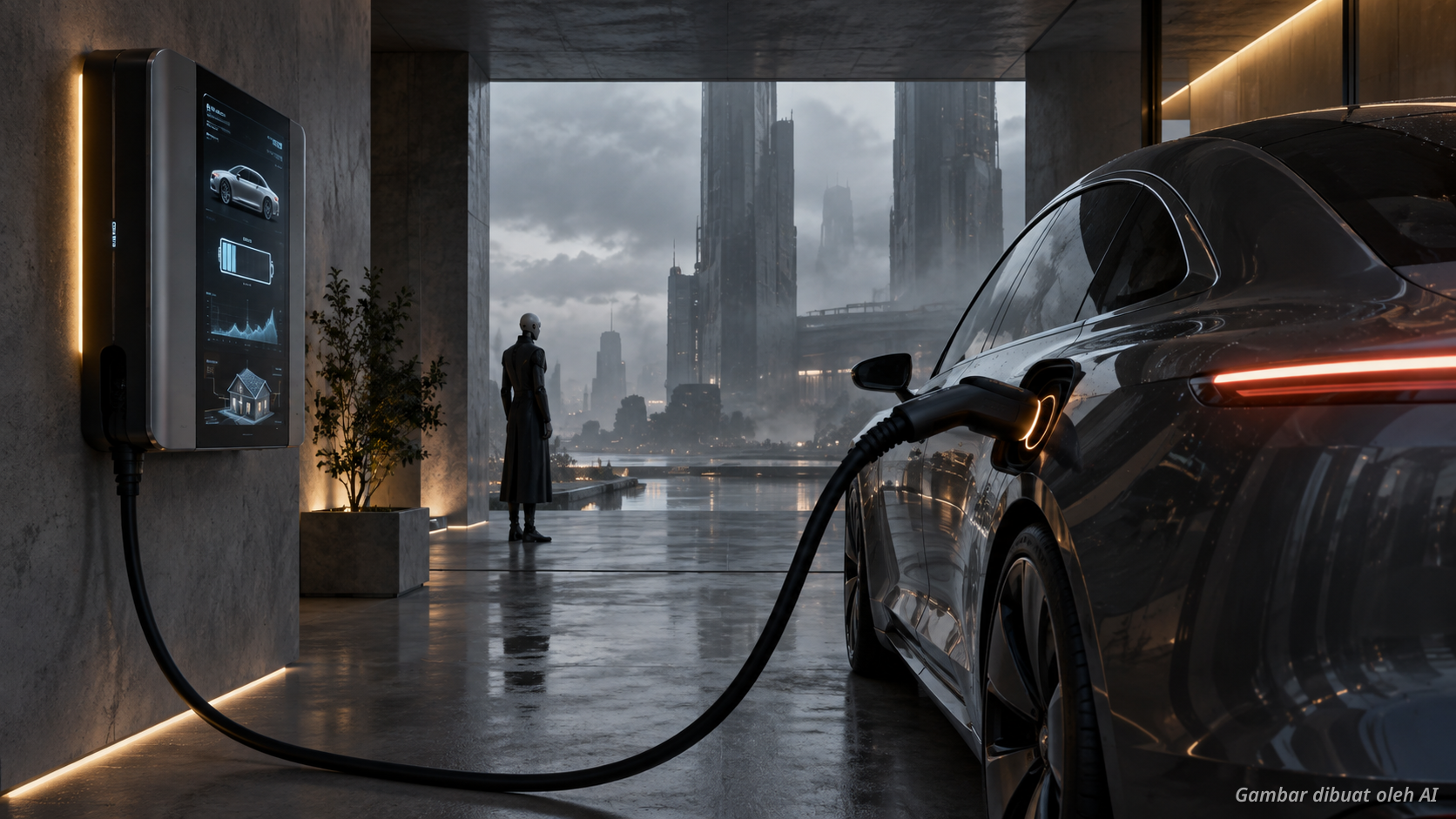
Mobility does not stop at the home garage. Current trends show an integration between EV charging solutions and household energy needs. Global campaigns focusing on smart dream homes emphasize the importance of connectivity [2].
Second-generation charging systems now provide flexibility for users. This innovation supports the transition toward a cleaner and more connected lifestyle. Investors can view this as an opportunity to support integrated supporting infrastructure.
The role of software in smart ecosystems
Software is the brain of the modern electric vehicle. The use of open platforms allows third-party developers to create applications that run on vehicle hardware [4]. This drives faster innovation in safety and comfort features.
Investors should pay attention to future electric vehicle control software with flexible open architecture. This flexibility ensures that vehicles remain relevant even as technology continues to evolve. Open architecture also reduces long-term development costs for manufacturers.
Building sustainable smart cities
Rapid urbanization in Indonesia demands smart transportation solutions. The development of eco-friendly urban areas has become a top priority for many developers [5]. Electric vehicles serve as a key element in reducing carbon emissions in urban areas.
The integration between electric vehicles and smart grids will become the new standard. With this system, vehicles can function as backup energy storage for homes or offices. This creates synergy between mobility and sustainable energy efficiency.
Opportunities for automotive technology investors
The Indonesian market offers extraordinary growth potential for investors focused on mobility technology. Government regulatory support for the electric vehicle industry creates a conducive investment climate. A focus on the circular economy in the production of electric motorcycles and electric vehicle components is also an attractive value-add.
Investors are advised to look beyond the production of the vehicles themselves. Focusing on data-driven services, charging infrastructure, and IoT software will provide a competitive advantage. The future of mobility is about seamless connectivity between users, vehicles, and the environment.
Conclusion
Electric vehicles are no longer just ordinary automotive products. They are an integral part of a smart and connected future vision. With the support of IoT and AI technology, vehicles will become the center of our digital ecosystem.
Indonesia is in a strategic position to lead this transition in the region. For investors, understanding these dynamics is key to achieving long-term success. The right investment in mobility technology will shape a greener and more efficient future for all.
More Information
- EV assembly project: A strategic initiative to build local electric vehicle production facilities, aimed at increasing the availability of eco-friendly vehicles and strengthening the national automotive industry supply chain [1].
- Smart residential ecosystem: A concept of technology integration in households that includes smart circuit devices and electric vehicle charging systems to support energy efficiency and ease of living [2].
- Large-scale AI models: Advanced artificial intelligence algorithms used to process large amounts of data to optimize smart city infrastructure and mobility systems [3].
- Open platform (HEOP): A software architecture that allows third-party developers to design and run custom applications on specific hardware, encouraging vehicle feature innovation [4].
- Smart ecological city: The development of urban areas that combine environmental sustainability principles with digital technology to improve the quality of life for residents efficiently [5].
Related Posts
-
 Uncategorized
Key factors driving the shift to electric vehicles
Read more →The automotive world is undergoing a major transformation toward an eco-friendly era. In many countries, including Vietnam and Indonesia, interest…
-
 Uncategorized
Why electric vehicles are increasingly in demand by consumers today
Read more →The automotive world is undergoing a major transformation toward an environmentally friendly era. In Indonesia, the trend of using electric…
-
Uncategorized
OTA updates for smart massage chair systems for maximum relaxation
Read more →For long-distance drivers, maintaining physical health is a top priority. Smart massage chairs have become an innovative solution for recovering…