
Key factors driving the shift to electric vehicles
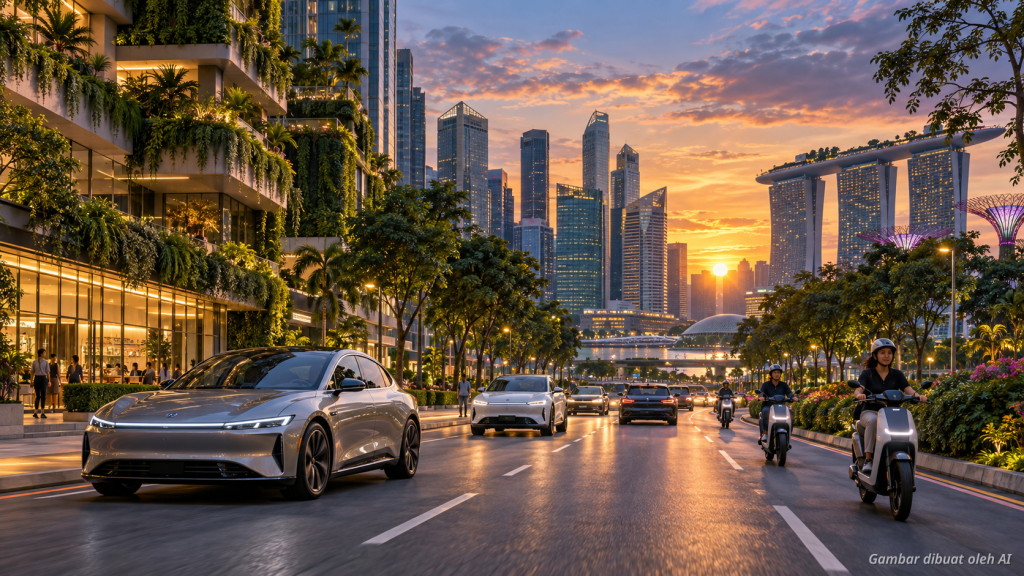
The automotive world is undergoing a major transformation toward an eco-friendly era. In many countries, including Vietnam and Indonesia, interest in electric vehicles (EVs) continues to rise rapidly. This shift is not just a fleeting trend, but a response to the need for more sustainable transportation solutions.
Many consumers are now starting to consider electric vehicles as their primary daily choice. Various factors, ranging from government policies to environmental awareness, play a crucial role in this behavioral shift. Understanding these dynamics is essential to seeing how the future of mobility will be shaped in Southeast Asia through measured energy transitions [1].
Government policy as a primary catalyst
Governments in various countries have taken concrete steps to accelerate the adoption of electric vehicles. In Indonesia, support in the form of direct subsidies and infrastructure development has proven effective in significantly increasing sales figures [2]. These policies provide consumers with the confidence to switch away from internal combustion engines.
Vietnam is also observing these patterns closely to strengthen its industrial ecosystem. Policy stability and investment support are key to attracting global manufacturers to build local supply chains [3]. When governments provide clear incentives, the public tends to be more open to making the change.
Environmental awareness and air quality
Air pollution in major cities has become an urgent concern for many people. Electric vehicles offer a clean solution because they do not produce direct exhaust emissions. The public is increasingly aware that their vehicle choices have a direct impact on the health of the surrounding environment [2].
Global commitments to reach net-zero emission targets are also driving this acceleration. By switching to electricity, countries can reduce their dependence on fossil fuels, which are subject to price fluctuations. Why electric vehicles are increasingly in demand by consumers today is certainly closely related to the desire for a healthier and more efficient life.
Technological innovation and ease of use
Increasingly sophisticated battery technology has extended the driving range of electric vehicles. Users no longer need to worry about running out of power in the middle of a trip. Furthermore, new models released by manufacturers such as VinFast offer modern designs with smart features that pamper drivers [5].
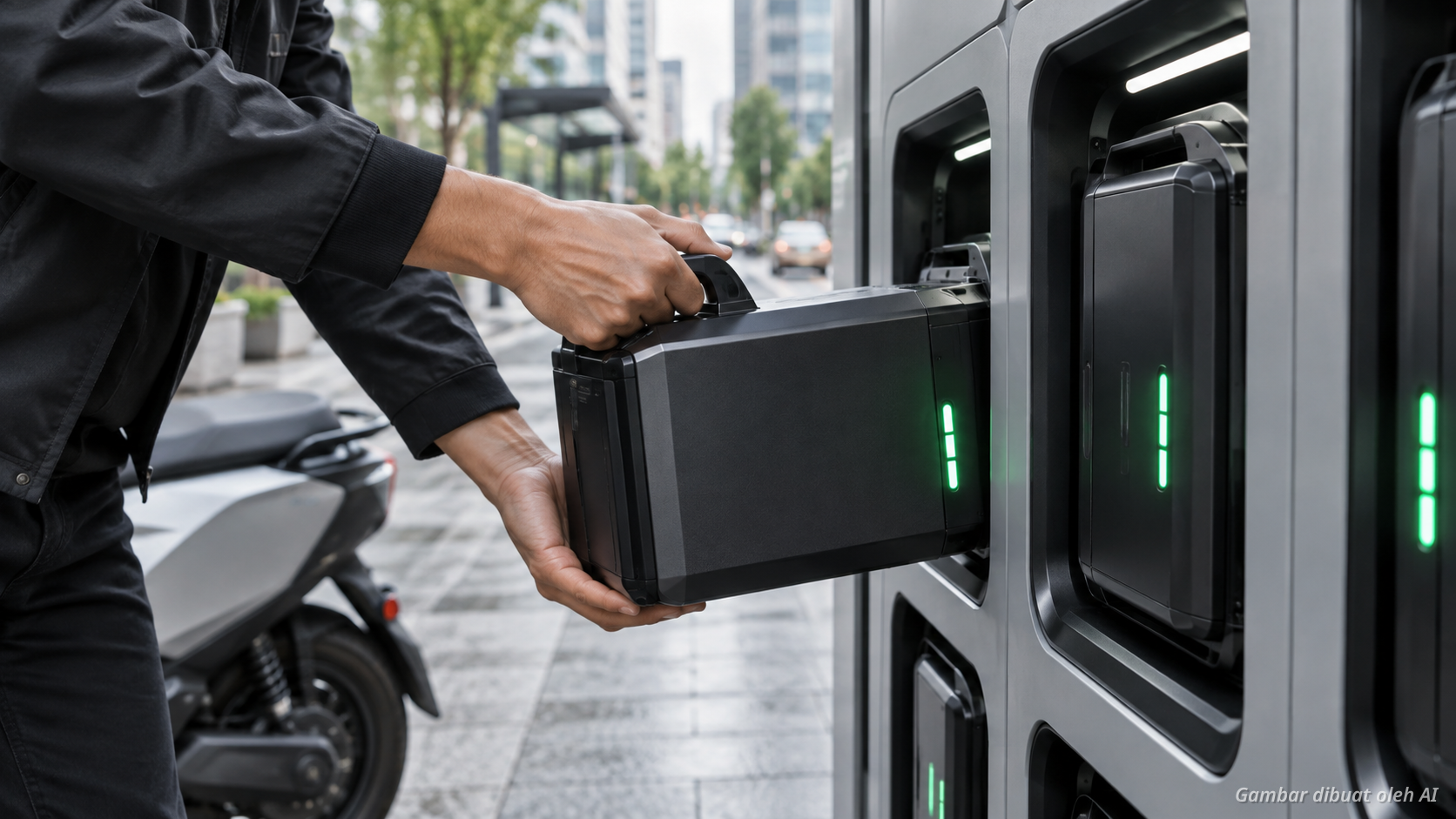
Charging convenience is also continuously being improved through the construction of battery swapping stations. This model is very popular as it allows users to swap an empty battery for a full one in a matter of minutes [1]. This innovation is very helpful for drivers with high mobility, such as ride-hailing drivers.
Adaptation strategies for the local market
Not all countries have the same approach to encouraging electric vehicle adoption. Indonesia, for example, applies a unique strategy by providing subsidies to local workshops to convert gasoline motorcycles into electric ones [4]. This step not only supports the environment but also creates new jobs for the small business sector.
This approach demonstrates that transition does not always have to mean buying expensive new vehicles. By utilizing existing vehicle frames, the cost of transition becomes more affordable for the wider community. This strategy could be an inspiration for other countries that want to carry out similar transformations inclusively by balancing various economic interests [4].
The future of mobility in Southeast Asia
The electric vehicle market in Southeast Asia is predicted to continue growing rapidly in the coming years. Tech-savvy younger generations are the main drivers of this market demand [5]. They are more open to innovation and deeply concerned about global sustainability issues.
Collaboration between the government, the private sector, and the public will determine how quickly this transition occurs. With a mature ecosystem, electric vehicles will become a common sight on city streets. Electric cars with automatic cabin temperature control for maximum comfort are just one example of how technology improves the user's quality of life.
Conclusion
The transition to electric vehicles is a strategic step driven by many factors. Policy support, environmental awareness, and technological innovation work together to create a greener ecosystem. The people of Vietnam and Indonesia are now in the right position to lead this change in the region.
By continuously improving infrastructure and providing education to the public, a clean transportation future is no longer just a dream. It is a reality that we are building together today. The journey toward sustainable mobility is indeed long, but the steps being taken now are on the right track.
More Information
- Energy transition: The process of shifting from the use of fossil-based energy sources to cleaner renewable energy sources to reduce the impact of global climate change and carbon emissions [1].
- Electric vehicle: A vehicle that uses an electric motor as its primary propulsion, supported by power from a rechargeable battery, replacing traditional internal combustion engines [2].
- Industrial ecosystem: A complex network consisting of manufacturers, suppliers, government, and consumers who interact to support the development and distribution of specific products within a market [3].
- Vehicle conversion: The process of modifying a gasoline-powered vehicle into an electric vehicle by replacing the internal propulsion system without having to replace the entire main structure of the vehicle [4].
- Net zero emission: A target state where the amount of greenhouse gas emissions released into the atmosphere is balanced with the amount absorbed by the earth, to prevent global warming [5].
Related Posts
-
 Uncategorized
Why electric vehicles are increasingly in demand by consumers today
Read more →The automotive world is undergoing a major transformation toward an environmentally friendly era. In Indonesia, the trend of using electric…
-
Uncategorized
OTA updates for smart massage chair systems for maximum relaxation
Read more →For long-distance drivers, maintaining physical health is a top priority. Smart massage chairs have become an innovative solution for recovering…
-
Uncategorized
Practical travel management software for electric vehicle road trips
Read more →Traveling with an electric vehicle (EV) is becoming an increasingly popular trend in Indonesia. Many car owners are switching to…