
Why electric vehicles are increasingly in demand by consumers today
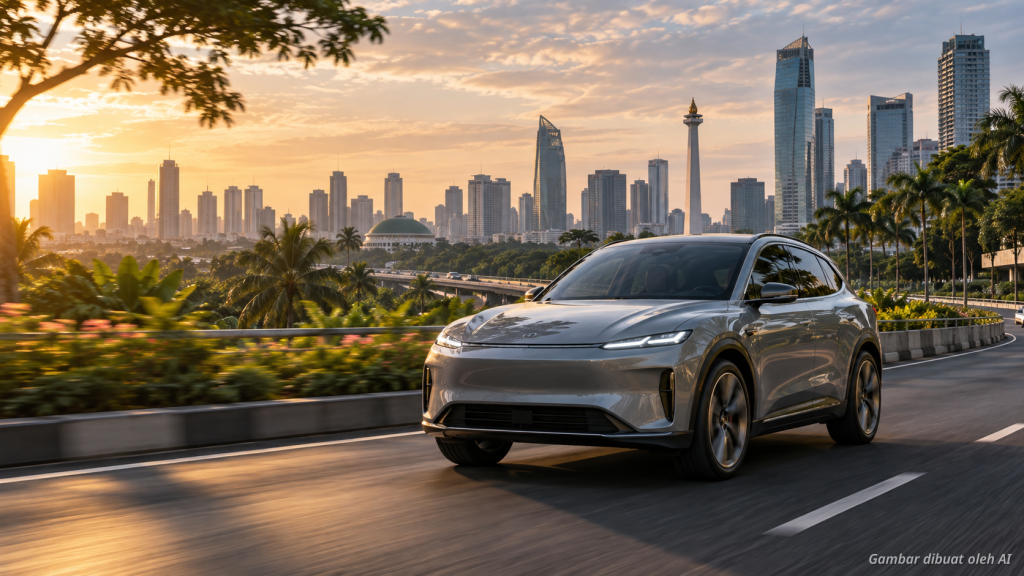
The automotive world is undergoing a major transformation toward an environmentally friendly era. In Indonesia, the trend of using electric vehicles (EVs) is growing rapidly among the general public. This phenomenon is not merely a passing trend, but a lifestyle shift supported by various strategic factors [4].
Many consumers are now starting to look at electric cars and motorcycles as their primary choice for daily transportation. This decision is driven by cost efficiency as well as full support from the government through various attractive incentive policies [2].
Government support and incentive policies
The Indonesian government has set ambitious targets for the future of national transportation. These targets include millions of electric vehicles operating on the roads by 2030 [1]. To achieve this vision, the government provides various conveniences for both consumers and manufacturers.
Key policies include the elimination of luxury goods taxes and a reduction in value-added tax for electric vehicle buyers. These policies are highly effective in lowering retail prices in the domestic market. Such pro-EV policies have proven effective in attracting public interest to switch from conventional vehicles.
Operational and maintenance cost advantages
One of the main reasons consumers are switching to electric vehicles is long-term cost savings. Electricity charging costs are far cheaper than gasoline prices. Furthermore, electric cars with automatic cabin temperature settings for maximum comfort are now becoming a new standard in driving convenience.
Electric vehicle maintenance is also considered very simple and economical. Users only need to perform periodic servicing at relatively long intervals [1]. There is no longer a need for routine engine oil changes, making monthly operational costs lighter for vehicle owners.
Raw material availability and global investment
Indonesia has a strong bargaining position in the global electric vehicle ecosystem. The country is the world's largest producer of nickel, which is a key component in EV batteries [3]. This advantage attracts many major automotive companies to invest. Foreign investment in local factory construction ensures better availability of spare parts and after-sales service for consumers.
Major companies such as BYD and Hyundai have invested heavily in Indonesia. This move accelerates the adoption of electric vehicle technology in the country [1]. Their presence creates healthy competition that benefits consumers in terms of model choices and pricing.
An increasingly mature ecosystem
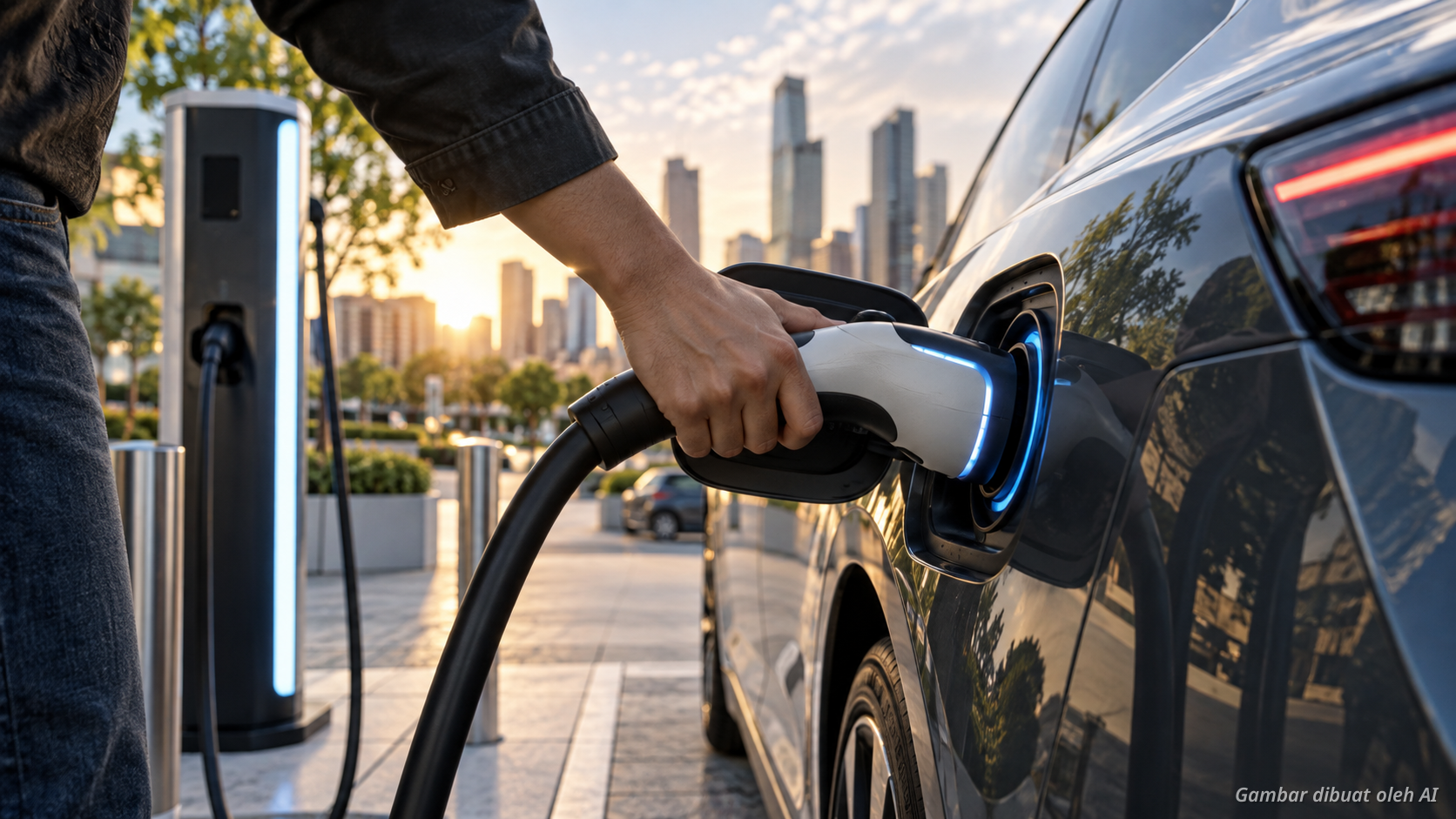
The development of supporting infrastructure is the key to user comfort for EVs today. Charging stations are now becoming widely available in shopping centers and public areas. This growing ecosystem provides peace of mind for vehicle owners when making long-distance trips. Users can also utilize practical trip management software for electric car travel to make journeys better planned.
In addition, electric vehicle manufacturers continue to innovate in battery technology. The range offered is now getting longer with shorter charging times. This addresses consumer doubts about the effectiveness of electric vehicles compared to traditional gasoline cars.
Commitment to environmental sustainability
Awareness of climate change issues is driving many consumers to choose greener transportation options. Electric vehicles do not produce direct exhaust emissions on the road. This contributes significantly to reducing air pollution in major cities in Indonesia [4].
Switching to an electric vehicle is a concrete step toward supporting net-zero emission targets. Consumers feel proud to be part of the environmental solution. The expansion of dealer networks also makes it easier for the public to switch to this more environmentally friendly technology [5].
Conclusion
The growth of electric vehicles in Indonesia is driven by a combination of sound government policies, ease of operational costs, and the availability of abundant natural resources. Consumers today are increasingly savvy in choosing vehicles that are not only efficient but also support a sustainable future. With infrastructure continuing to improve, the future of electric transportation in Indonesia looks very promising.
More Information
- Nickel: A metal that serves as the main raw material in the manufacture of electric vehicle batteries. Indonesia is the world's largest producer of nickel, providing a competitive advantage in the global EV industry [3].
- Tax incentives: Government policies in the form of reductions or exemptions on certain taxes to stimulate the purchase of electric vehicles by the public and encourage investment by manufacturers in the country [2].
- Net-zero emissions: A target for reducing greenhouse gas emissions to zero, where electric vehicles play a crucial role in replacing fossil fuel-based vehicles [4].
- Charging infrastructure: A network of electric charging stations spread across various locations to make it easier for electric vehicle owners to recharge their batteries during trips [1].
- After-sales service: Technical support, maintenance, and the availability of spare parts provided by manufacturers to consumers after a vehicle purchase to ensure the vehicle's performance remains optimal [5].
Related Posts
-
 Uncategorized
Key factors driving the shift to electric vehicles
Read more →The automotive world is undergoing a major transformation toward an eco-friendly era. In many countries, including Vietnam and Indonesia, interest…
-
Uncategorized
OTA updates for smart massage chair systems for maximum relaxation
Read more →For long-distance drivers, maintaining physical health is a top priority. Smart massage chairs have become an innovative solution for recovering…
-
Uncategorized
Practical travel management software for electric vehicle road trips
Read more →Traveling with an electric vehicle (EV) is becoming an increasingly popular trend in Indonesia. Many car owners are switching to…