
A complete guide to smart electric vehicle charging management software
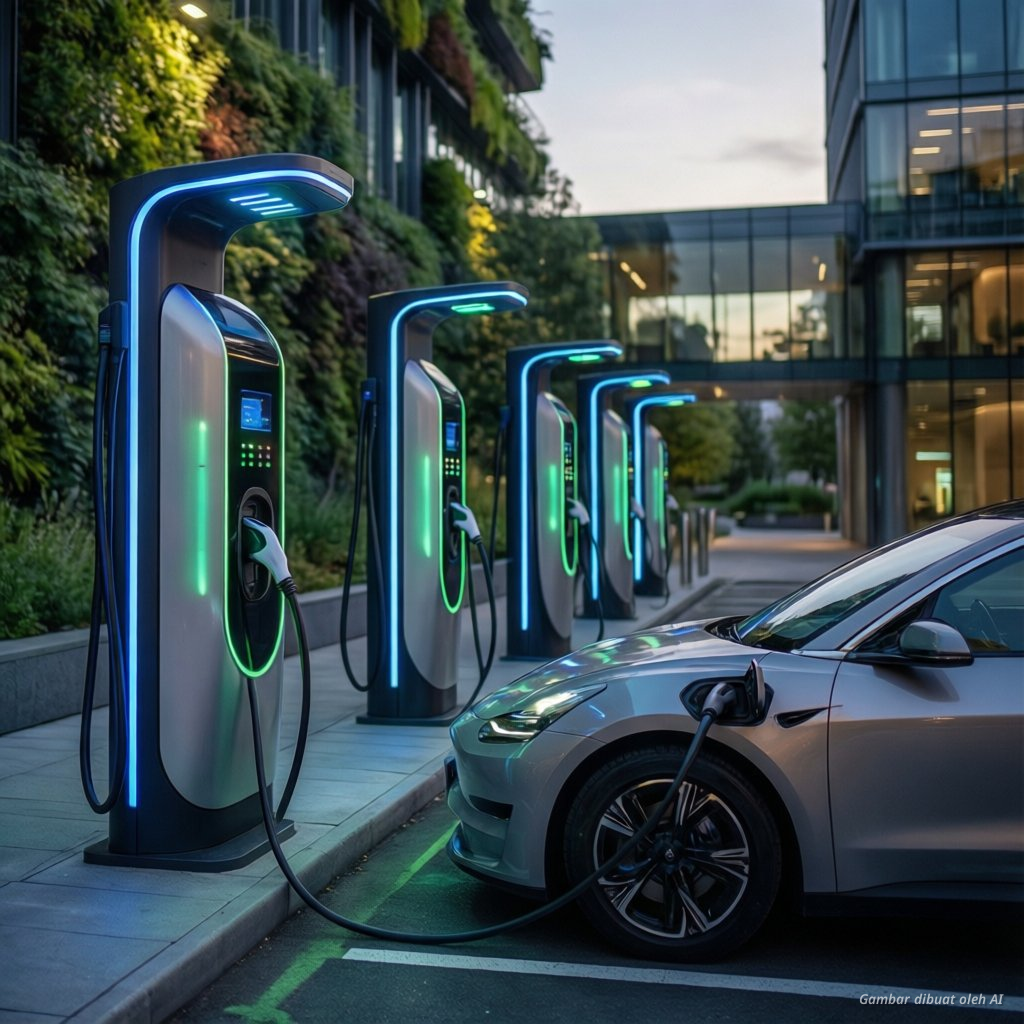
The adoption of electric vehicles in Indonesia continues to grow rapidly, supported by the government through various strategic regulations. A crucial element in this ecosystem is smart electric vehicle charging management software, often referred to as a Charging Station Management System (CSMS).
This system serves as the “brain” behind charging station operations. Without reliable software, managing charging infrastructure would be extremely difficult and inefficient for both station owners and end users.
Why charging management is important
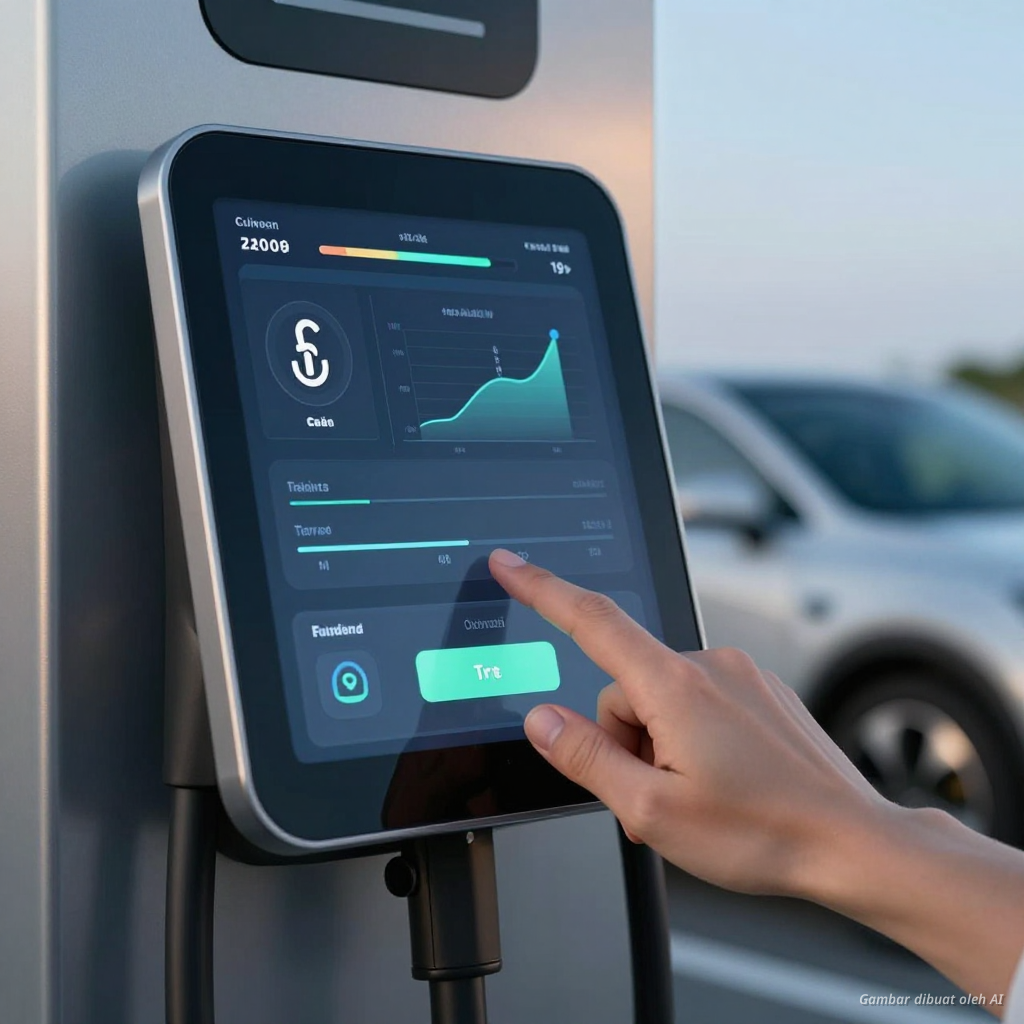
Charging management software ensures that every charging session runs smoothly. The system monitors hardware status in real-time to detect technical malfunctions early. With the right electric vehicle charging station management system technology, service providers can minimize operational downtime[5].
For vehicle owners, this software provides convenience through mobile application integration. Users can easily find the nearest charging location, start the charging process, and make digital payments. This aligns with the efforts to accelerate the battery-based electric vehicle (KBLBB) ecosystem promoted by the government through Minister of Energy and Mineral Resources Regulation No. 1 of 2023[1].
Key features of a smart management system
A sophisticated charging management system must have several fundamental features. Here are some of the key capabilities that a modern platform must possess:
- Dynamic load management to balance electrical power distribution.
- Remote monitoring and diagnostics for instant technical repairs.
- Multi-channel payment integration that supports local digital wallets.
- Smart scheduling to optimize electricity tariffs during off-peak hours.
These features help operators maintain the stability of the electrical grid. Additionally, the integration of smart homes into the automotive ecosystem in Indonesia is also a growing trend.
Communication standards and interoperability
Interoperability is key in the electric vehicle ecosystem. Software must support international standard protocols such as OCPP (Open Charge Point Protocol). This protocol allows hardware from various manufacturers to communicate seamlessly with the central management system.
In Indonesia, the adoption of OCPP versions 1.6J and 2.0.1 has become the primary benchmark for infrastructure providers. This ensures that electric vehicle owners can use various charging stations without significant technical obstacles.
The role of PLN in the charging ecosystem
PLN plays a central role in developing charging infrastructure in Indonesia. Through the EV Digital Services (EVDS) feature on the PLN Mobile application, users get broad access to the public electric vehicle charging station (SPKLU) network. This innovation makes it easier for EV users to access many services in one integrated platform[3].
This step is a continuation of the launch of the Charge.IN application, which provides ease of electric vehicle charging for the wider public[2]. This digital ecosystem continues to be strengthened to support the government’s target for a clean energy transition.
Private players and cloud solutions
In addition to PLN, private players such as Voltron Indonesia are also making major contributions by providing cloud-based charging solutions[4]. Their platform enables real-time monitoring and efficient energy management for commercial buildings.
The use of cloud-native infrastructure provides high scalability for operators. With this architecture, the system can handle thousands of charging transactions simultaneously without a drop in performance. User data security is also a top priority in accordance with applicable personal data protection regulations.
The future of smart charging management
The future of electric vehicle charging will be increasingly integrated with smart technology. The use of artificial intelligence (AI) will assist in predicting power usage patterns. This allows the system to make automatic adjustments to maintain energy efficiency.
Furthermore, integration with renewable energy systems such as rooftop solar power plants (PLTS) will become more common. Electric vehicle charging will eventually not only rely on the PLN grid but also utilize clean energy generated independently at the charging location.
Conclusion
Smart electric vehicle charging management software is a vital foundation for the success of the energy transition in Indonesia. With advanced features and extensive integration, this system provides benefits for all parties. Vehicle owners gain convenience, while service providers can manage operations more efficiently.
Regulatory support and collaboration between the government and the private sector will continue to accelerate innovation in this field. As a user or service provider, understanding the role of this software is the first step toward participating in the future transportation ecosystem.
More Information
- KBLBB: Battery-Based Electric Motorized Vehicles, which are vehicles driven by an electric motor and use a battery as the main energy source in accordance with Indonesian government regulations[1].
- OCPP: Open Charge Point Protocol, an open communication standard that allows interaction between electric vehicle charging stations and central management systems from different vendors[2].
- SPKLU: Public Electric Vehicle Charging Station, a facility for providing electricity to recharge electric vehicle batteries that is accessible to the public[3].
- CPO: Charge Point Operator, the party or company responsible for operating, maintaining, and managing an electric vehicle charging station network[4].
- CSMS: Charging Station Management System, cloud-based software that functions to manage operations, monitoring, and transactions at electric vehicle charging stations[5].
Related Posts
-
 Uncategorized
Key factors driving the shift to electric vehicles
Read more →The automotive world is undergoing a major transformation toward an eco-friendly era. In many countries, including Vietnam and Indonesia, interest…
-
 Uncategorized
Why electric vehicles are increasingly in demand by consumers today
Read more →The automotive world is undergoing a major transformation toward an environmentally friendly era. In Indonesia, the trend of using electric…
-
Uncategorized
OTA updates for smart massage chair systems for maximum relaxation
Read more →For long-distance drivers, maintaining physical health is a top priority. Smart massage chairs have become an innovative solution for recovering…