
AI-powered electric vehicle maintenance to reduce repair costs
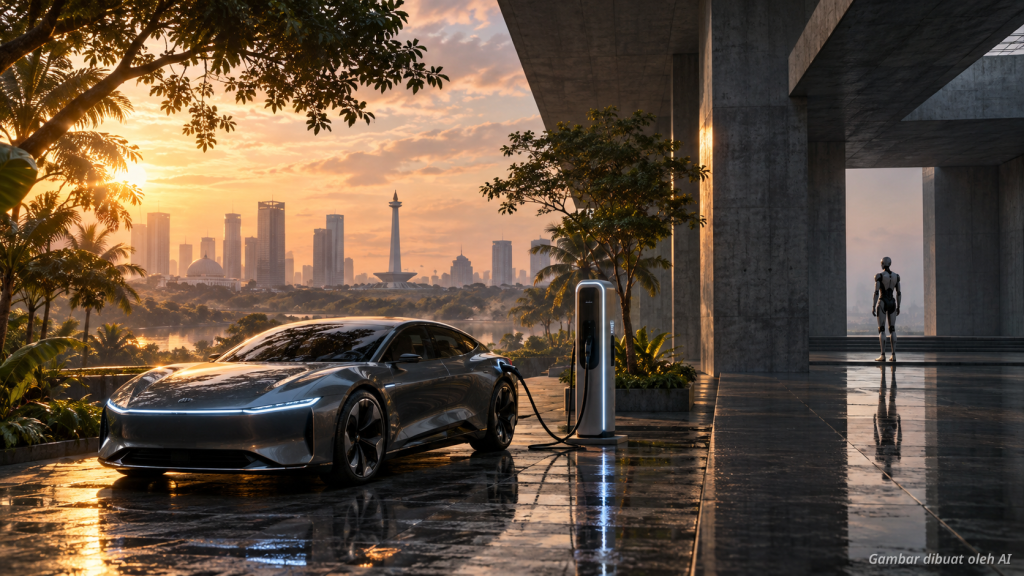
Electric vehicle (EV) owners in Indonesia now have a smart way to save on long-term expenses. Artificial intelligence (AI) technology is now emerging as a primary solution for predicting vehicle service needs [2].
By implementing data-driven maintenance systems, you can avoid catastrophic failures that incur high costs. This approach is transforming how we efficiently maintain batteries and other vital components [2].
Understanding the role of AI in cost efficiency
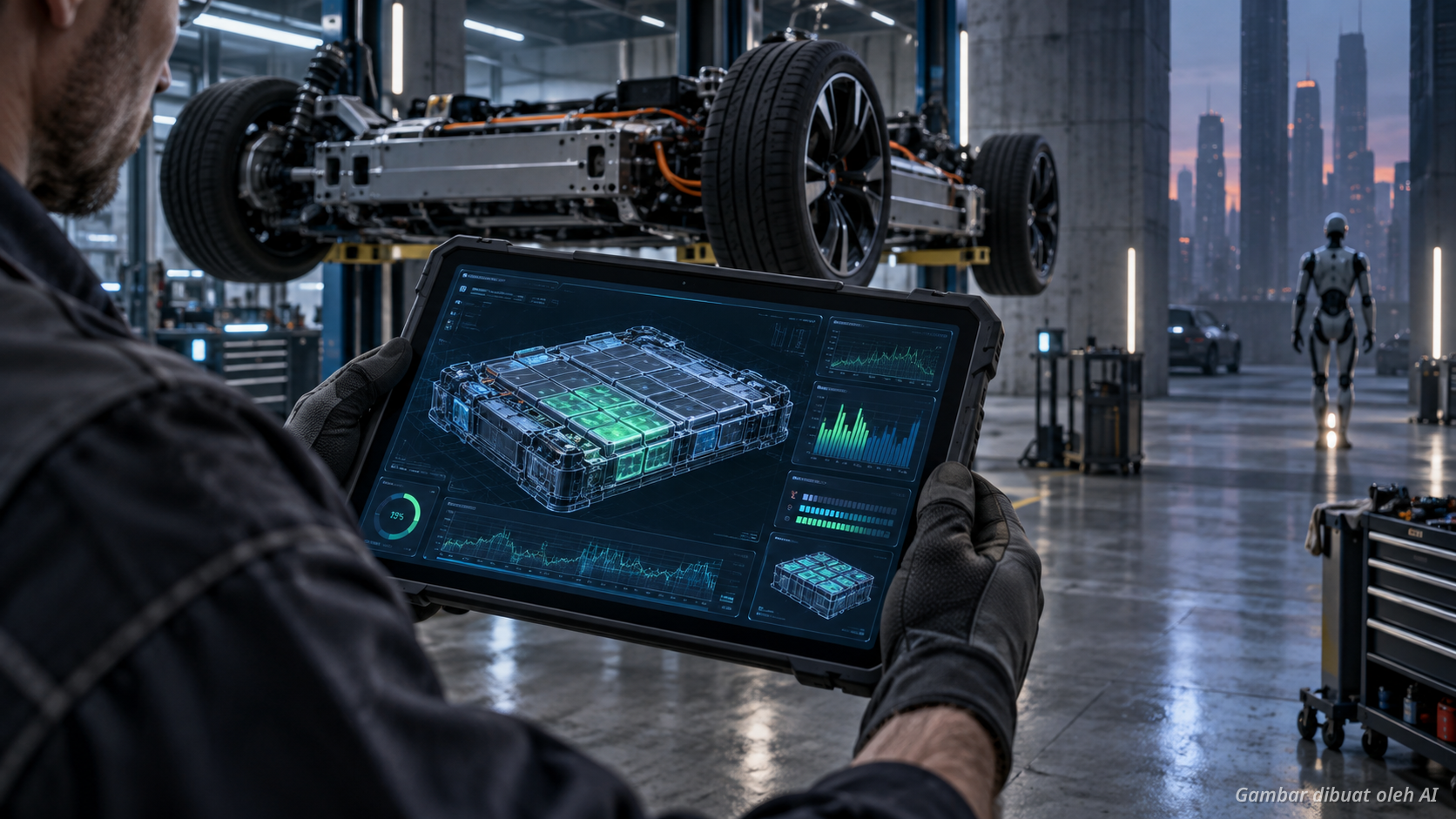
AI works by continuously monitoring battery health and vehicle performance. This system analyzes usage patterns to provide early warnings before components experience serious issues [2]. You no longer need to guess when the right time for routine service is.
This technology also helps local Indonesian startups manage electric vehicle fleets more optimally. With accurate data, operational costs can be reduced to the most efficient levels for vehicle owners [2].
Why predictive maintenance is important
The battery is the most expensive component in an electric vehicle. Understanding battery chemistry, whether NMC or LFP types, is crucial for maintaining its lifespan [3]. AI is capable of monitoring battery degradation with high precision.
Additionally, optimizing electric vehicle batteries with AI to extend driving range is becoming an increasingly sought-after feature. With this system, you not only save on repair costs but also increase the resale value of your vehicle.
Transforming the repair industry in the digital era
The vehicle repair industry in Indonesia is undergoing a major shift toward digitalization [4]. Mechanics are now required to master diagnostic software in addition to traditional mechanical skills [4]. This ensures that every repair is performed based on valid data.
The Indonesian government also continues to encourage this ecosystem through various incentive policies [1]. This support makes electric vehicle adoption more affordable for the general public [1].
Tips for optimizing vehicle maintenance costs
You can take proactive steps to keep service costs low. Here are some strategies that can be implemented:
- Use AI-powered vehicle health monitoring applications.
- Perform charging according to manufacturer recommendations to maintain battery life cycles.
- Utilize charging station networks that are integrated with energy management systems [2].
- Regularly update vehicle software through OTA (Over-the-Air) systems.
The future of electric mobility in Indonesia
The growth of the electric vehicle market in Indonesia is predicted to continue rising rapidly [4]. With the support of AI technology, the challenge of high maintenance costs can be overcome more easily [5]. A smart ecosystem will make the experience of owning an electric vehicle more enjoyable.
Investing in AI-based maintenance technology is the right step for vehicle owners who want application development for a broad electric vehicle ecosystem. The future of Indonesian transportation now lies in cleaner and more efficient technology.
More Information
- AI (Artificial Intelligence): A technology that simulates human intelligence via machines, used to process big data, predict component failures, and automatically optimize energy efficiency in modern electric vehicle systems [1].
- Predictive maintenance: A maintenance strategy that uses sensor data and AI to predict when a component will fail, allowing repairs to be performed in a timely manner before more severe damage occurs [2].
- LFP (Lithium Iron Phosphate) battery: A type of electric vehicle battery known for lower costs, higher durability, and better safety levels compared to NMC-type batteries [3].
- Software-based diagnostics: A method of checking vehicle condition using digital scanning tools connected to the vehicle's central computer system to read error codes and technical performance data [4].
- Electric vehicle ecosystem: An integrated network that includes vehicle manufacturers, charging infrastructure providers, AI-based repair services, and government policies that support sustainable mobility [5].
Related Posts
-
 Uncategorized
Key factors driving the shift to electric vehicles
Read more →The automotive world is undergoing a major transformation toward an eco-friendly era. In many countries, including Vietnam and Indonesia, interest…
-
 Uncategorized
Why electric vehicles are increasingly in demand by consumers today
Read more →The automotive world is undergoing a major transformation toward an environmentally friendly era. In Indonesia, the trend of using electric…
-
Uncategorized
OTA updates for smart massage chair systems for maximum relaxation
Read more →For long-distance drivers, maintaining physical health is a top priority. Smart massage chairs have become an innovative solution for recovering…