
Blockchain for a transparent automotive supply chain
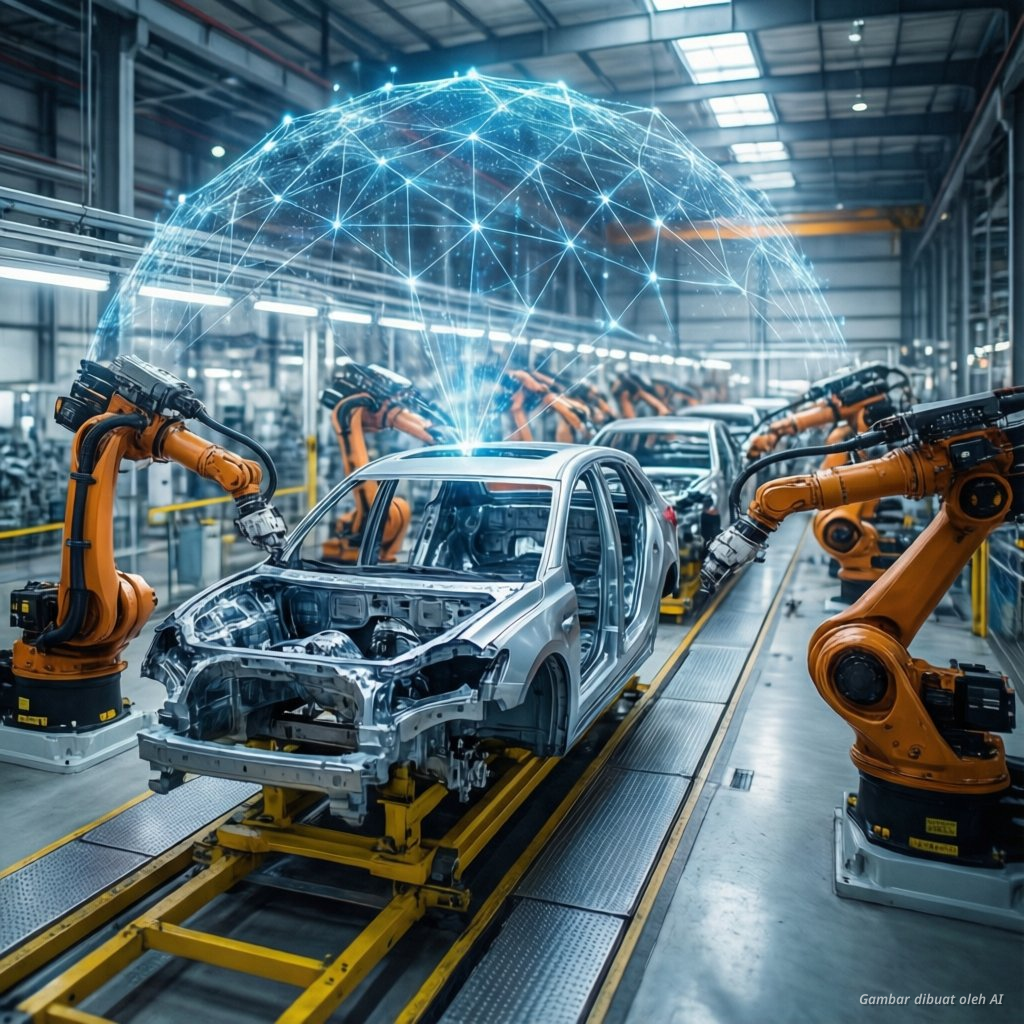
The Indonesian automotive industry is currently at a critical crossroads. In line with the Making Indonesia 4.0 roadmap, the sector is required to increase efficiency through digitalization. One technology currently in the spotlight is blockchain[1].
The automotive supply chain involves a highly complex and fragmented ecosystem. Supply chain managers often face challenges regarding data visibility between suppliers, manufacturers, and distributors. Blockchain technology offers a solution to create better transparency across the entire network[2].
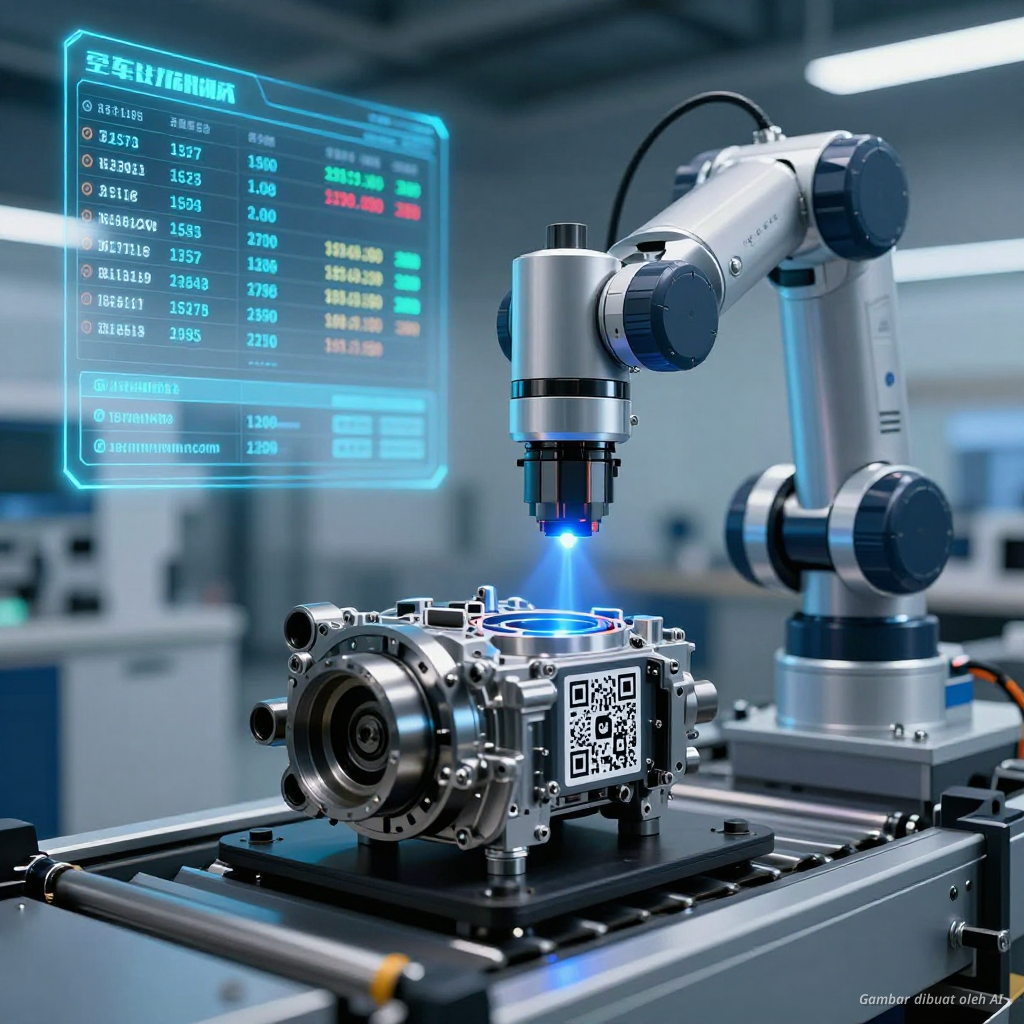
What is blockchain in the automotive supply chain?
Blockchain is a distributed ledger that records transactions permanently and transparently. In an automotive context, every component can have a unique digital identity. This data cannot be altered once it has been entered into the system[3].
This system allows all parties to view the history of goods movement in real-time. You can monitor spare parts from the factory until they reach the end consumer. This is crucial for ensuring data integrity across the entire supply chain[4].
Overcoming traditional supply chain challenges
Many automotive companies still rely on manual or isolated systems. This often leads to data desynchronization between departments or business partners. Blockchain serves as a single source of truth for all stakeholders[2].
Another issue that often arises is the circulation of counterfeit spare parts in the market. With blockchain, manufacturers can provide a digital certificate of authenticity for every component. Consumers or official workshops can easily verify the authenticity of spare parts[4].
Key benefits for supply chain managers
Blockchain implementation provides significant strategic advantages for company operations. Here are some of the main benefits experienced by industry players:
- Accurate component traceability from the raw material level to final assembly.
- Prevention of counterfeit parts through secure and transparent digital verification.
- Automation of logistics processes using smart contracts to accelerate payments and verification.
- More precise and efficient product recall management in the event of production defects.
- Easier sustainability audits to comply with global ESG standards[3].
Transparency in the electric vehicle battery ecosystem
Indonesia holds a strategic position as a global nickel producer. This makes tracking the carbon footprint and the origin of EV battery raw materials vital. Blockchain helps record every stage of battery production to meet international green regulations[5].
If you are interested in energy efficiency, learn more about energy management software for hybrid vehicles. This technology works in harmony with data transparency to create a more sustainable vehicle ecosystem.
Implementation in national industrial policy
The Indonesian government continues to encourage the adoption of digital technology to strengthen industrial competitiveness. The integration of blockchain is in line with the Making Indonesia 4.0 vision to create smart manufacturing. Companies that adopt this technology will have a competitive advantage in the global market[1].
Furthermore, efficiency in workshop operations is also essential. You can read about AI predictive maintenance for smart cars to improve workshop and vehicle owner efficiency to complement your supply chain management system.
Technology adoption challenges
Despite its many benefits, blockchain adoption faces several obstacles. Integration with existing legacy systems requires a significant investment of time and resources. Additionally, data standardization between vendors is the key to successful implementation in the field[4].
Supply chain managers must ensure that all partners in the ecosystem have adequate IT infrastructure readiness. Collaboration between industry players is essential to create uniform standards[5].
The future of the automotive supply chain
Blockchain is not just a technology trend, but a foundation for future transparency. With accurate data, companies can make faster and more precise decisions. This will reduce operational costs and increase consumer trust in your brand.
The Indonesian automotive industry must prepare for this shift. Start with small steps, such as conducting a pilot project on one production line or one category of spare parts. Focusing on transparency will bring positive changes to your company’s long-term efficiency.
More Information
- Blockchain: A distributed ledger technology that records transactions securely, transparently, and immutably, serving as the foundation for data transparency in modern industrial supply chains[1].
- Smart contracts: Digital protocols that automatically execute agreements or transactions when predetermined conditions are met, reducing the need for intermediaries and accelerating logistics workflows[2].
- Traceability: The ability to track the history, location, and status of products or components throughout the supply chain, from raw materials to the end consumer in real-time[3].
- Digital twin: A virtual representation of a physical object or system that is updated in real-time using blockchain data to monitor the performance and condition of automotive components throughout their lifecycle[4].
- ESG (Environmental, Social, and Governance): Standards used by companies to measure sustainability impact and operational ethics, which have now become a major demand in the global electric vehicle battery supply chain[5].
Related Posts
-
 Uncategorized
Key factors driving the shift to electric vehicles
Read more →The automotive world is undergoing a major transformation toward an eco-friendly era. In many countries, including Vietnam and Indonesia, interest…
-
 Uncategorized
Why electric vehicles are increasingly in demand by consumers today
Read more →The automotive world is undergoing a major transformation toward an environmentally friendly era. In Indonesia, the trend of using electric…
-
Uncategorized
OTA updates for smart massage chair systems for maximum relaxation
Read more →For long-distance drivers, maintaining physical health is a top priority. Smart massage chairs have become an innovative solution for recovering…