
Cost-benefit analysis of electric vehicle battery recycling in Indonesia
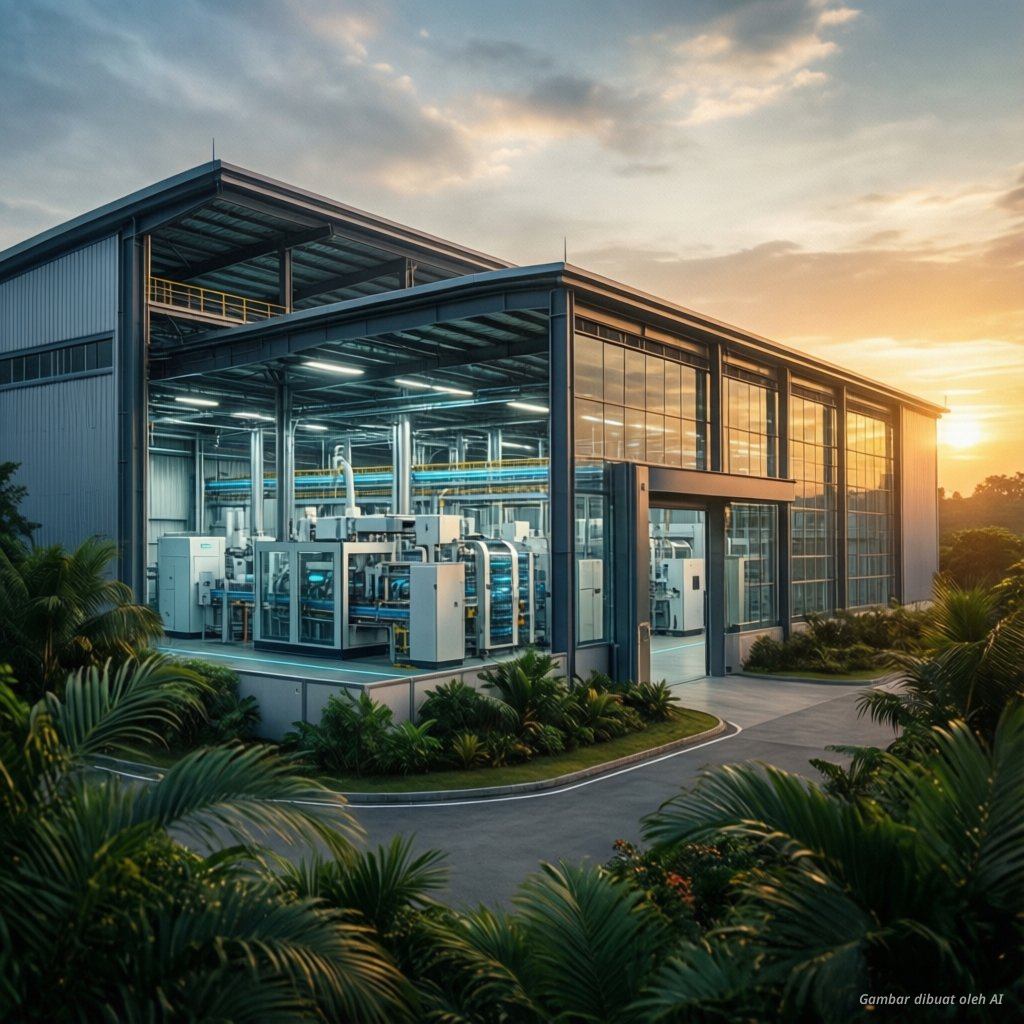
Indonesia is currently at the forefront of the global energy transition through its ambitious nickel downstreaming policy. As the country with the largest nickel reserves, the government is striving to build an integrated electric vehicle (EV) battery supply chain from upstream to downstream [1]. One of the crucial pillars in this ecosystem is the recycling of used batteries. A cost-benefit analysis has become a vital instrument for economic analysts to determine the long-term sustainability of this industry.
The implementation of a circular economy in the transportation sector is not just an environmental trend, but a strategic economic strategy. Through an integrated EV battery ecosystem, Indonesia can minimize its dependence on imports of critical mineral raw materials. However, this investment requires careful calculation regarding operational efficiency and economies of scale [2].
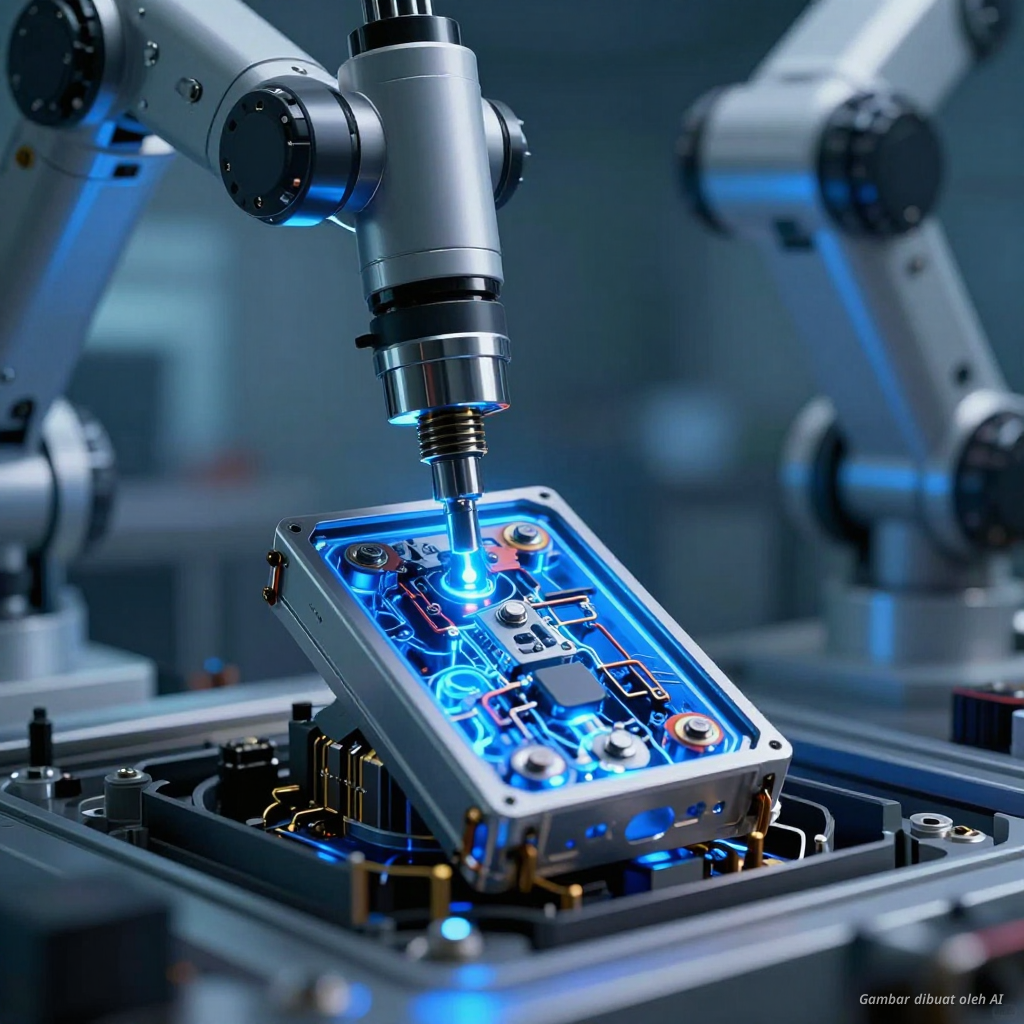
Investment and operational cost analysis
Building a battery recycling facility requires a very large initial capital investment. Hydrometallurgy and pyrometallurgy technologies require sophisticated infrastructure to separate chemical materials with high precision [3]. The cost of modern technology licenses is also a significant expense component for companies entering this sector.
In addition to capital costs, logistics challenges in Indonesia are unique due to the archipelagic geography. Collecting used batteries from various islands to processing centers requires high transportation costs. Furthermore, lithium-ion batteries are categorized as hazardous and toxic waste (B3) [1]. Handling this waste requires strict safety standards to prevent the risk of fire or chemical leaks.
Economic benefits of mineral extraction
Battery recycling offers the potential for highly efficient recovery of valuable materials. Through hydrometallurgical methods, the recovery rate of minerals such as nickel, cobalt, lithium, and manganese can reach more than 90% [3]. This process directly supports a circular electric vehicle battery supply chain from mining to recycling that is more self-sufficient.
At a macro level, the recycling industry will create new jobs for experts in chemistry and engineering. This strengthens Indonesia’s bargaining position in the global supply chain. With the great potential of battery recycling, the country can reduce its dependence on primary mining, which has a higher environmental impact.
Environmental impact and regulatory compliance
The environmental benefits of battery recycling are significant compared to primary nickel ore extraction. The recycling process consumes far less energy and produces fewer carbon emissions. This is a concrete step in reducing the ecological footprint of the national automotive industry [2].
On the other hand, compliance with international standards such as the battery passport is a necessity for export products. The European Union, for example, requires a certain percentage of recycled material in new EV batteries. By adopting recycling technology, Indonesian producers will have easier access to global markets that are strict regarding sustainability regulations [4].
Challenges of economies of scale and regulation
Currently, the volume of used batteries in Indonesia is still limited because the adoption of electric vehicles has only just begun. Optimal economies of scale will only be achieved after the battery life cycle ends, which is in about 7 to 10 years [3]. Therefore, current investment is more anticipatory of future market growth.
The government needs to strengthen regulations regarding battery return mechanisms or take-back schemes. Without clear regulations, the collection of used batteries will become disorganized. Collaboration between the public and private sectors, such as that carried out by the Indonesia Battery Corporation, is key to the success of integrating this value chain [4].
Conclusion for economic analysts
The cost-benefit analysis shows that EV battery recycling is a strategic long-term investment. Although initial costs and logistical challenges are quite heavy, the economic benefits of material recovery and environmental compliance are enormous [5]. For analysts, the main focus should be directed toward technological efficiency and the development of policies that support effective battery waste collection systems.
More Information
- Downstreaming: Government policy to increase the added value of mineral commodities through domestic processing and refining before export, in order to create a stronger and more independent manufacturing industry [1].
- Circular economy: An economic model that aims to minimize waste and maximize resource use through recycling, repair, and reuse of materials in a sustainable production cycle [2].
- Hydrometallurgy: A process of extracting metals from ore or used batteries using chemical liquid solutions to dissolve and separate valuable minerals with a very high recovery efficiency rate [3].
- Battery passport: A digital instrument that records information regarding the composition, origin, and carbon footprint of a battery to ensure transparency and compliance with sustainability standards in international markets [4].
- Black mass: A black mass resulting from the crushing of used batteries that contains a concentrate of valuable metals such as nickel, cobalt, and lithium, which is ready for further processing into battery raw materials [5].
Related Posts
-
 Uncategorized
Key factors driving the shift to electric vehicles
Read more →The automotive world is undergoing a major transformation toward an eco-friendly era. In many countries, including Vietnam and Indonesia, interest…
-
 Uncategorized
Why electric vehicles are increasingly in demand by consumers today
Read more →The automotive world is undergoing a major transformation toward an environmentally friendly era. In Indonesia, the trend of using electric…
-
Uncategorized
OTA updates for smart massage chair systems for maximum relaxation
Read more →For long-distance drivers, maintaining physical health is a top priority. Smart massage chairs have become an innovative solution for recovering…