
Electric vehicles with automatic cabin temperature control for maximum comfort
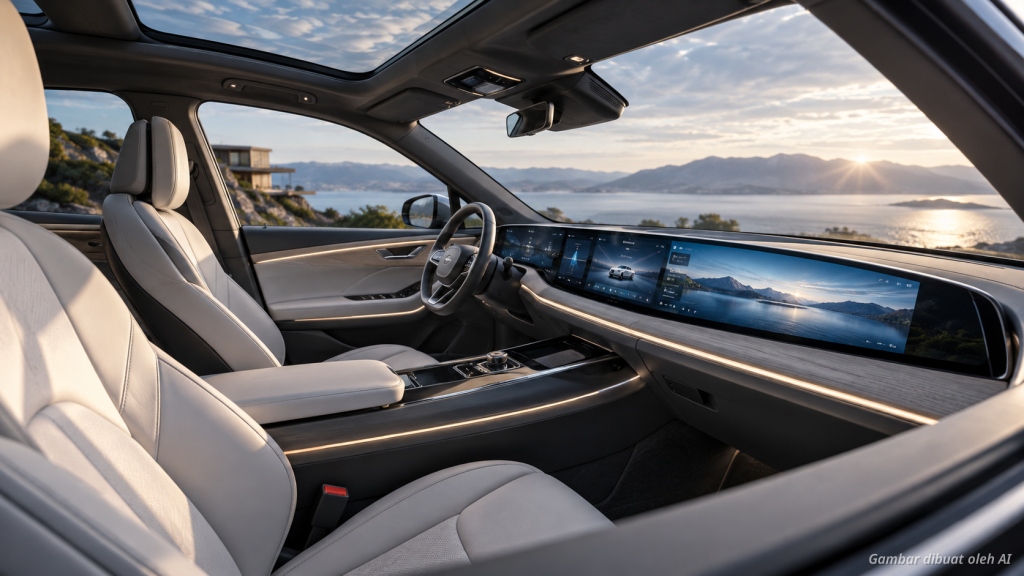
Cabin comfort is a top priority for every modern electric vehicle user. Today, technology has enabled vehicles to automatically adjust temperatures to create an ideal environment for drivers and passengers. This innovation ensures your journey is always pleasant, regardless of the weather outside.
Air conditioning systems in electric vehicles are no longer just manual temperature regulators. This technology has evolved into an intelligent system capable of monitoring environmental conditions in real-time. Through the integration of advanced sensors, the car can maintain temperature stability with high precision [3].
Why automatic temperature control is essential
For users in Indonesia, the hot tropical weather is often a challenge when driving. Automatic temperature control helps maintain freshness inside the cabin without the need for repeated manual intervention. You simply set the target temperature, and the system will work independently [1].
Furthermore, energy efficiency is a key focus in the development of electric vehicles. Intelligent climate control systems can optimize battery power usage by efficiently managing fan speeds and compressor loads. This directly impacts the vehicle's optimal driving range [4].
The technology behind cabin comfort
This system relies on various temperature sensors strategically placed inside and outside the cabin. These sensors act as the "brain" that continuously monitors temperature changes. This data is then sent to the central control unit to make instant adjustments [3].
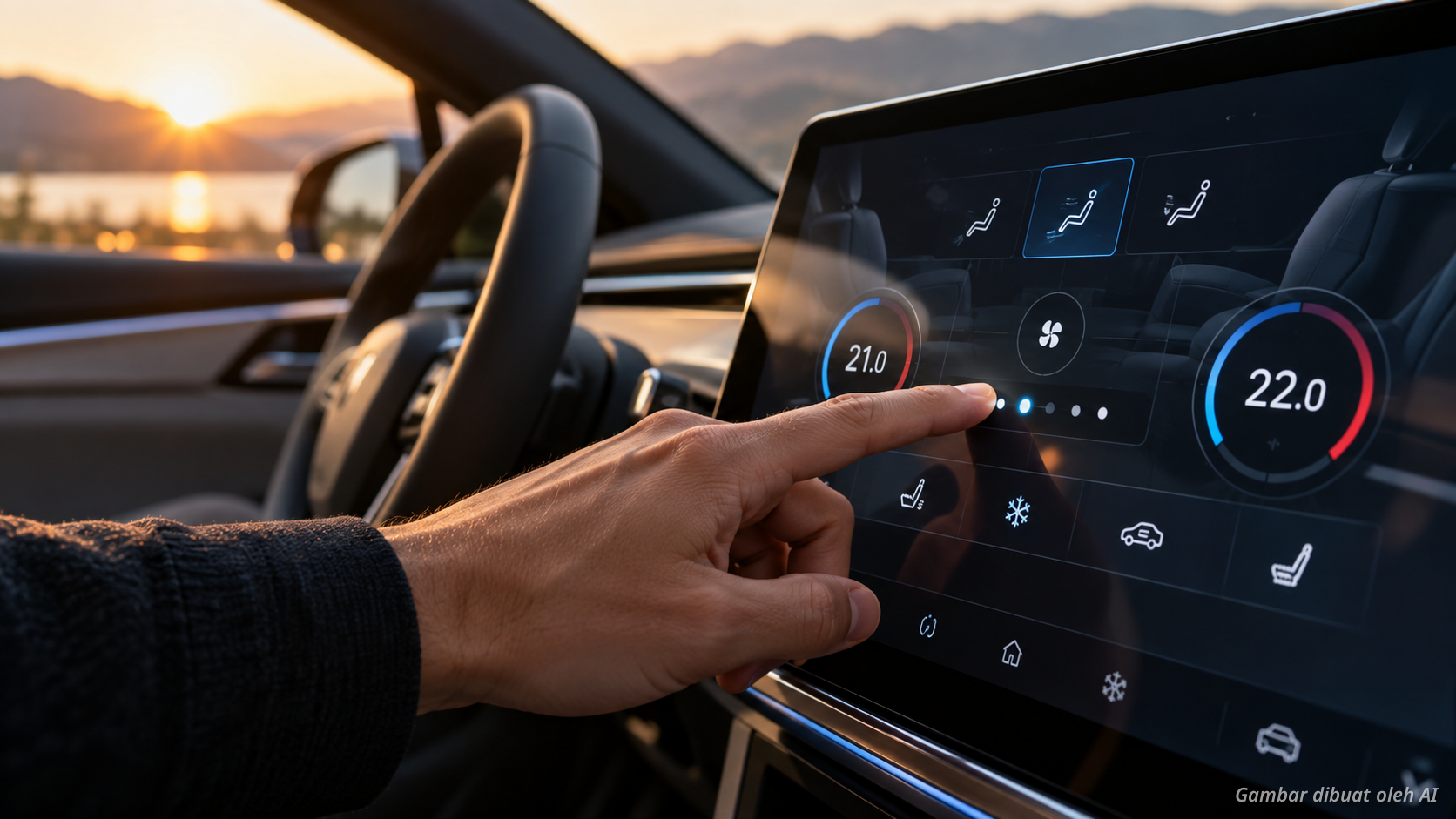
Some advanced vehicle models even allow for different temperature zones. For example, the driver can set a cooler temperature, while passengers in the back seat have a preference for a warmer setting. This flexibility ensures that everyone in the car enjoys personalized comfort [2].
To learn more about how this technology protects your comfort, you can read about smart cabin sensor technology for detecting left-behind children as a complementary safety feature.
How to operate the cooling system in an electric vehicle
Operation of this system is generally done through an intuitive central touchscreen. Users can easily increase or decrease the temperature with a light touch. On some models, there are dedicated buttons for the driver and front passenger areas to separate climate controls [1].
If your vehicle is equipped with adjustable seat features, comfort is further enhanced. The use of air-adjustable seats is often integrated to support better air circulation for the driver [5]. The combination of an ideal cabin temperature and seat comfort is the key to a fatigue-free long journey.
Tips for maintaining cooling system performance
To ensure the cooling system continues to work optimally, routine maintenance is highly recommended. Ensure the cabin air filter is always clean so that airflow remains at its maximum. You can also learn about electric vehicles with self-diagnostic capabilities to reduce repair time to monitor the health of your vehicle's systems periodically.
Always use the automatic mode when driving under the hot sun. The system will automatically increase the cooling intensity when the cabin temperature rises sharply. Once the temperature is reached, the system will reduce its workload to keep energy consumption low [4].
Feature integration for the driving experience of the future
Innovation in the electric automotive sector continues to grow rapidly. Temperature control is no longer limited to cooling, but also includes heating and windshield defogging. This feature is very useful when driving in mountainous areas or during humid, rainy weather [4].
This system is also designed to prioritize safety. By keeping the cabin temperature stable, the driver can remain focused and alert on the road. Consistently maintained comfort will reduce stress levels during long journeys in the middle of heavy city traffic [2].
For more detailed information regarding technical guides, you can refer to the temperature adjustment guide for electric vehicles available online [1]. Understanding your vehicle's features is the first step toward a better driving experience.
Additionally, further exploration regarding cabin temperature zone settings will help you maximize the features available in your car [2]. By utilizing this technology, every trip will feel more luxurious and personal.
More Information
- Temperature control system: Integrated software and hardware that automatically adjusts cabin temperature to match user preferences, ensuring optimal comfort during travel with high energy efficiency.
- Cabin temperature zones: A feature in the air conditioning system that allows for different temperature settings for the driver and passenger areas, providing comfort flexibility for every individual in the vehicle.
- Cabin temperature sensor: A sensitive electronic device that monitors the air temperature inside the cabin and sends data to the control unit for automatic adjustment of cooling or heating performance.
- Cooling efficiency: The ability of the air conditioning system to reach the desired temperature with minimal electrical power consumption, which is crucial for electric vehicles to maintain battery range.
- Air-adjustable seats: Seat technology equipped with air circulation or air suspension systems to improve the driver's physical comfort and reduce fatigue during long-distance travel.
Related Posts
-
 Uncategorized
Key factors driving the shift to electric vehicles
Read more →The automotive world is undergoing a major transformation toward an eco-friendly era. In many countries, including Vietnam and Indonesia, interest…
-
 Uncategorized
Why electric vehicles are increasingly in demand by consumers today
Read more →The automotive world is undergoing a major transformation toward an environmentally friendly era. In Indonesia, the trend of using electric…
-
Uncategorized
OTA updates for smart massage chair systems for maximum relaxation
Read more →For long-distance drivers, maintaining physical health is a top priority. Smart massage chairs have become an innovative solution for recovering…