
Generative AI in the future of car design
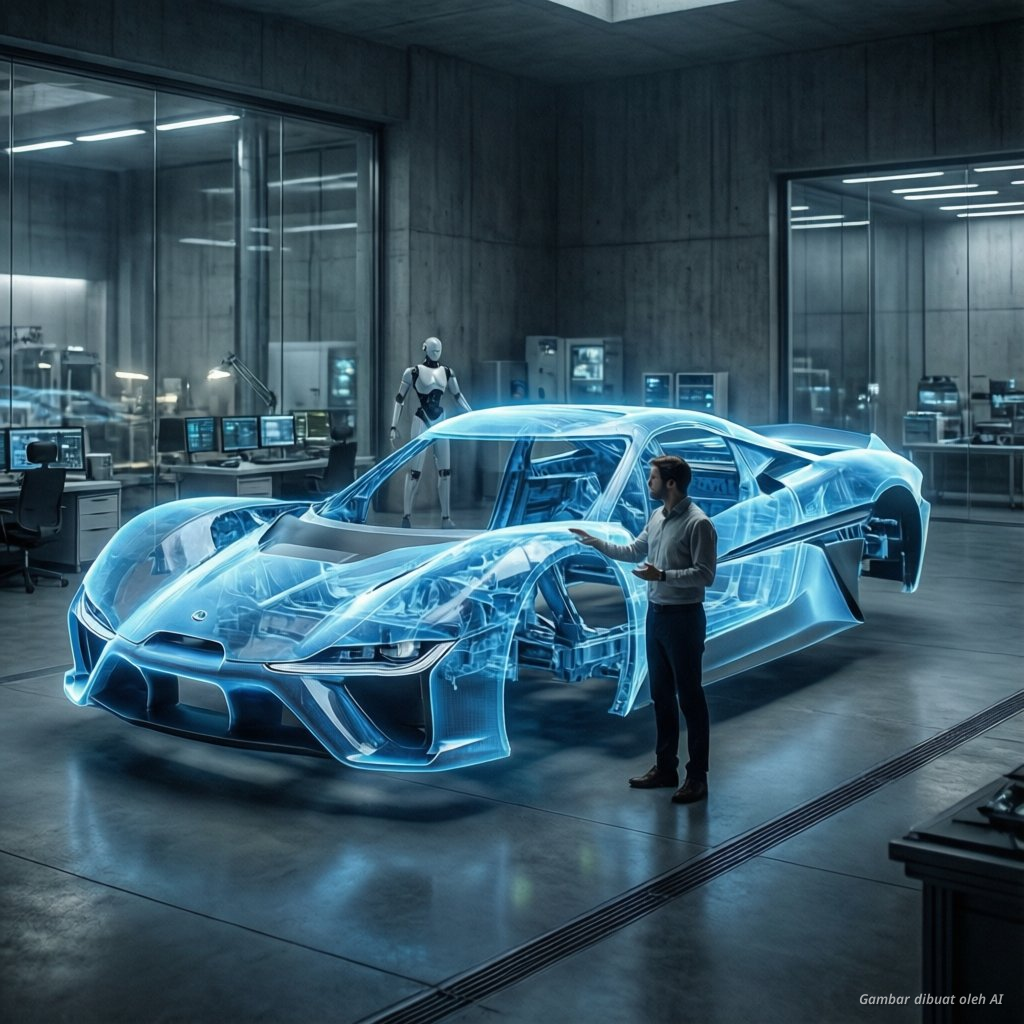
The global automotive industry is undergoing a rapid paradigm shift. Digital transformation is no longer just about infotainment software; it is now reaching the core of the engineering process.
The application of generative AI in future car design has become a key asset for designers and R&D engineers. This technology enables the creation of smarter, more efficient, and more innovative solutions [1].
Why generative AI is changing the way we design vehicles
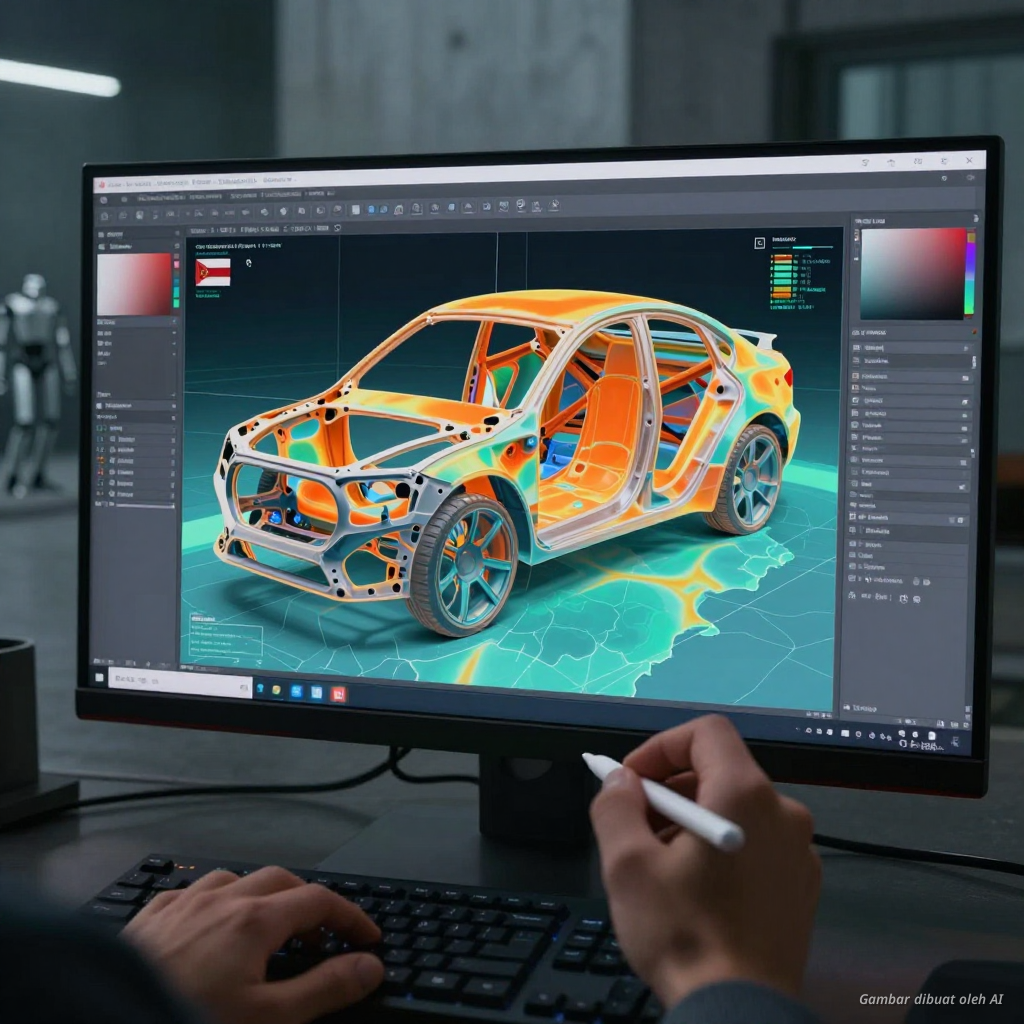
Traditional design methods often limit creativity due to a reliance solely on human experience. Generative AI breaks those boundaries by exploring thousands of design iterations in a short amount of time [2].
Engineers can input specific parameters such as load, materials, and manufacturing constraints into the system. The algorithm then generates the most structurally optimal component shapes [3].
Efficiency through generative design and lightweighting
One of the primary benefits for R&D engineers is the ability to perform lightweighting, or the reduction of vehicle weight. In the Indonesian market, weight efficiency is crucial for increasing the range of electric vehicles (EVs).
This technology can reduce component weight by 20–40% without sacrificing structural strength. Material waste reduction during the production process also reaches 30%, making it a highly environmentally friendly solution [2].
The role of AI in aerodynamics and performance
Exterior design is no longer just about visual aesthetics. Engineers use AI to automatically integrate Computational Fluid Dynamics (CFD) simulations.
The result is a car body shape with a very low drag coefficient. This ensures vehicle stability when driving in various road conditions, from highways to the challenging terrain found in Indonesia.
Interior personalization for the Indonesian market
The Indonesian automotive market has unique characteristics, such as high demand for 7-seater vehicles. Generative AI helps designers create ergonomic and flexible cabin layouts.
The system can also suggest the selection of cabin materials that are resistant to tropical temperatures. You can learn more about user-centered car interior design for the Indonesian market to understand local consumer preferences in greater depth.
Accelerating time-to-market with digital transformation
The Indonesian government, through the Making Indonesia 4.0 Roadmap, continues to encourage the adoption of technology in the automotive sector [4]. The use of generative AI significantly cuts down prototype development cycles.
Processes that once took months can now be completed in a matter of days. This time efficiency reaches 40–60%, providing a competitive advantage for both local and global manufacturers [1].
Challenges and the future of automotive research
Although AI offers great potential, data integration challenges remain. Engineers must ensure that the data used to train AI models is accurate and relevant to road safety standards.
Collaboration between human designers and AI systems will become the new industry standard. Visit McKinsey & Company to see an in-depth analysis regarding the transition from AI concepts to manufacturing reality.
Conclusion
Generative AI is not just a tool, but a strategic partner in the future of automotive design. By leveraging this technology, R&D engineers in Indonesia can create vehicles that are lighter, more aerodynamic, and better suited to market needs.
The adoption of this technology will strengthen Indonesia’s position in the global automotive supply chain. Continuous innovation is the key to winning the competition in the electric vehicle era [5].
More Information
- Generative AI: Artificial intelligence technology capable of producing new content, such as 3D designs or programming code, based on data patterns previously learned by the system.
- Generative design: An algorithm-based design process that automatically generates various component shape options based on technical and material constraints defined by engineers.
- Lightweighting: An engineering strategy to reduce the total mass of a vehicle to improve energy efficiency, performance, and range, especially in battery-based vehicles.
- Computational Fluid Dynamics (CFD): A computer simulation method for analyzing fluid and gas flow, used to optimize the aerodynamics of a car’s exterior design.
- Time-to-market: The duration of time required from the initial concept stage of a product until that product is ready for mass production and marketing to consumers.
Related Posts
-
 Uncategorized
Key factors driving the shift to electric vehicles
Read more →The automotive world is undergoing a major transformation toward an eco-friendly era. In many countries, including Vietnam and Indonesia, interest…
-
 Uncategorized
Why electric vehicles are increasingly in demand by consumers today
Read more →The automotive world is undergoing a major transformation toward an environmentally friendly era. In Indonesia, the trend of using electric…
-
Uncategorized
OTA updates for smart massage chair systems for maximum relaxation
Read more →For long-distance drivers, maintaining physical health is a top priority. Smart massage chairs have become an innovative solution for recovering…