
OTA updates for safer adaptive lighting systems

Driving at night is often a challenge for many drivers in Indonesia. Low-light road conditions demand maximum visibility to ensure journeys remain safe and comfortable.
Modern automotive technology now offers a solution through adaptive front lighting systems. These systems are capable of automatically adjusting light patterns based on the road conditions ahead of you.
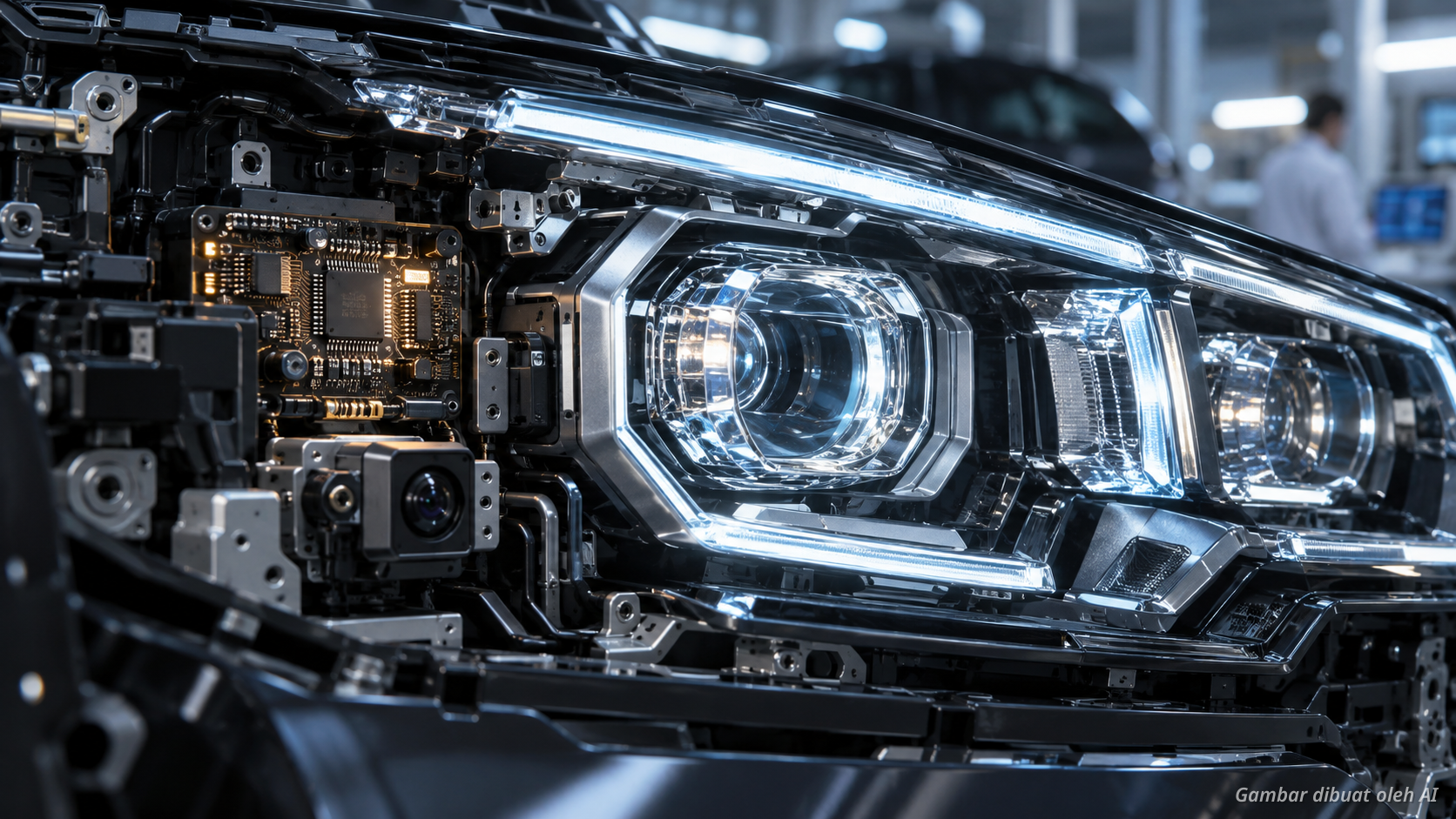
Software updates over the air, or OTA (over-the-air) updates, are now the key to keeping these systems optimal. With this technology, manufacturers can improve lighting performance without the need to take the car to a workshop [2].
Why OTA updates are important for car lights
Adaptive lighting systems are not just ordinary lights. These systems use advanced sensors to detect other vehicles and adjust light distribution so as not to dazzle other drivers [3].
OTA updates allow manufacturers to periodically refine these detection algorithms. You can get the latest safety features just by downloading system updates [3].
In addition, energy efficiency is also a primary focus in the development of the latest firmware. With the right firmware update, lighting systems can work more intelligently and last longer [1].
Improving road safety
Safety is the top priority for every driver. Lights that are not properly calibrated can endanger yourself and others on the road.
Regular system updates ensure that camera sensors and light radar work with high precision. This is crucial when you are driving in areas that do not have adequate street lighting [4].
You can learn more about the role of AI in analyzing driving styles to improve safety on the road. The integration between AI and adaptive lighting systems creates layered protection for drivers.
The technology behind smart lights
Modern lighting systems often rely on complex software integration. The use of platforms like TuyaOS allows developers to perform staged releases to ensure system stability [1].
Visualization data from sensors helps manufacturers understand how lights respond to real-world environments. This information is then used to fix bugs and improve system responsiveness [1].
For vehicle owners, this process feels very seamless. You don't need to worry about technical complexities because the system will handle everything automatically [2].
A calmer driving experience
Driving at night, whether in big cities or during intercity trips, requires high concentration. Adaptive lights significantly reduce the driver's cognitive load.
With a system that is always updated, you will feel smoother light transitions when turning or when detecting oncoming vehicles [3]. This provides the much-needed peace of mind.
If you are interested in driving comfort, you might also want to read about OTA updates for adaptive suspension systems to improve the driving experience.
Tips for maintaining adaptive lighting systems
Although software updates are performed automatically, physical maintenance is still required. Ensure your headlight lenses are always free of dust and dirt.
- Check the light lenses regularly to ensure there are no scratches or dullness.
- Ensure the vehicle's internet connection is stable while the update download process is taking place.
- Do not turn off the engine while the firmware installation process is running.
- Always check the notifications on the dashboard screen regarding available system updates.
By maintaining the physical condition and ensuring the software is always up to date, you will get maximum performance from your adaptive lighting system [1].
The future of automotive lighting
Innovation in the automotive world continues to develop rapidly. In the future, lighting systems will not just illuminate the road, but also communicate with the surrounding infrastructure.
OTA updates will continue to play a vital role in this evolution. Your car will become smarter over time, rather than becoming obsolete [3].
Enjoy your night trips with technology that supports safety and comfort. With a system that is always updated, every curve and dark road will feel safer to travel.
More Information
- OTA update: The process of delivering new software or firmware to electronic devices wirelessly, allowing for bug fixes and the addition of new features without having to visit a service center [1].
- Adaptive lighting system: Automotive lighting technology that automatically adjusts the direction, range, and intensity of headlights based on speed, steering angle, and traffic conditions [2].
- Firmware: A type of specialized software embedded in hardware to control basic functions and communication between electronic components in a vehicle [3].
- Visibility: The level of clarity of a driver's field of vision while on the road, which is highly influenced by the quality of lighting and surrounding weather conditions [4].
- Detection algorithm: A series of logical instructions used by a vehicle's computer system to identify objects, such as other vehicles or pedestrians, to adjust light patterns in real-time [5].
Related Posts
-
 Uncategorized
Key factors driving the shift to electric vehicles
Read more →The automotive world is undergoing a major transformation toward an eco-friendly era. In many countries, including Vietnam and Indonesia, interest…
-
 Uncategorized
Why electric vehicles are increasingly in demand by consumers today
Read more →The automotive world is undergoing a major transformation toward an environmentally friendly era. In Indonesia, the trend of using electric…
-
Uncategorized
OTA updates for smart massage chair systems for maximum relaxation
Read more →For long-distance drivers, maintaining physical health is a top priority. Smart massage chairs have become an innovative solution for recovering…