
Strategies and solutions for waste reduction in electric vehicle production
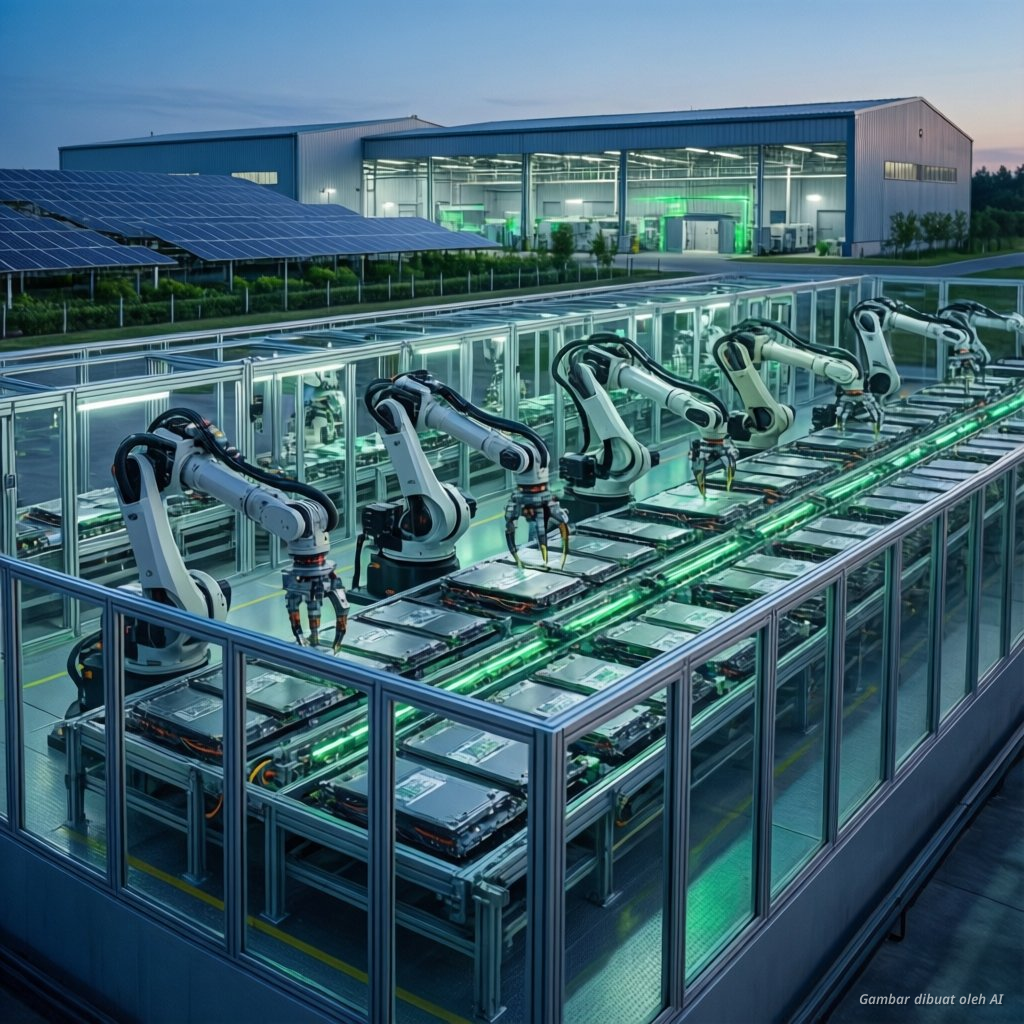
The electric vehicle (EV) industry in Indonesia is growing rapidly in line with the increasing global demand for sustainable mobility. As the country with the world’s largest nickel reserves, Indonesia plays a crucial role in the global EV battery supply chain [1]. However, this growth brings significant environmental challenges related to the management of production waste.
Production managers and environmental engineers are now facing pressure to adopt cleaner practices. Waste management from the extraction process to battery manufacturing must be carried out efficiently to meet green industry standards [2]. The right strategies not only protect the ecosystem but also increase factory operational efficiency.
Understanding waste types in the EV supply chain
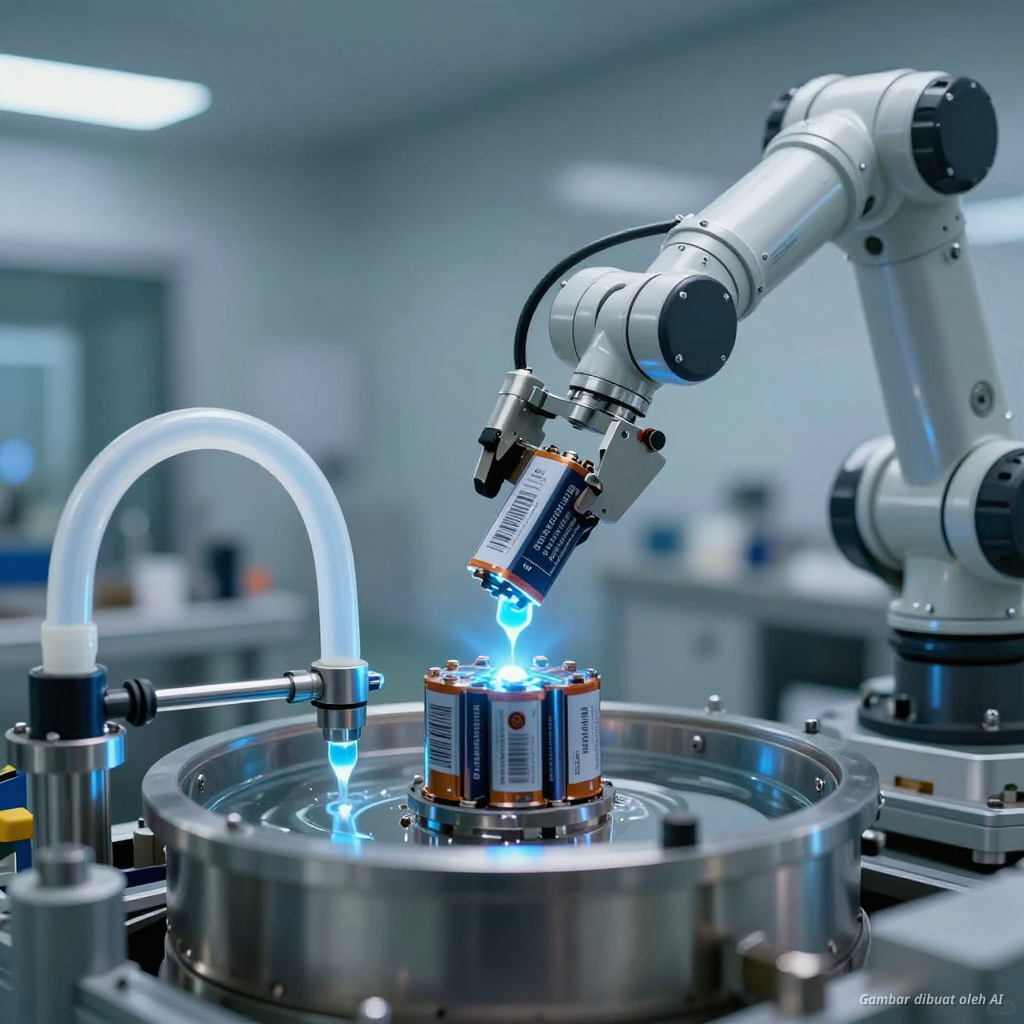
Electric vehicle production involves various stages that generate different types of waste. Environmental engineers need to identify each waste stream to determine the appropriate handling solutions. One of the biggest challenges is tailings waste from low-grade nickel processing via the HPAL method [3].
In addition to tailings, there is solid waste in the form of nickel slag from pyrometallurgy smelting. Used battery waste from electric vehicles that have reached the end of their useful life also requires special attention due to the heavy metals and critical materials contained within them.
Implementation of dry stacking technology for tailings
The Indonesian government has taken firm steps by encouraging the cessation of subsea tailings disposal. Instead, the nickel smelter industry is now switching to dry stacking technology. This process reduces the water content in tailings until they become stable solid material.
This dry material is then stored in secure facilities or reused for post-mining backfilling processes. This approach drastically reduces the risk of marine and coastal environmental pollution. Environmental engineers must ensure that storage facilities are designed in accordance with strict geotechnical safety standards.
Utilization of nickel slag as construction material
The circular economy is key to managing solid waste in the smelting industry. Based on government regulations, nickel slag is now categorized as non-hazardous (non-B3) waste that can be reused [2]. This step turns a waste burden into an economically valuable asset.
The construction industry can use nickel slag as raw material for:
- Durable road aggregates.
- Ready-mix concrete mixture components.
- Production of concrete bricks and paving blocks.
- Raw material for high-quality cement mortar.
This utilization helps reduce the volume of accumulated waste in industrial areas such as Morowali or Weda Bay. It also supports the development of a national electric vehicle ecosystem that is more sustainable overall.
Building an integrated battery recycling ecosystem
Battery recycling is a crucial stage to close the battery material supply chain. Through effective and safe lithium-ion battery recycling technology, valuable metals such as nickel, cobalt, and lithium can be recovered. The hydrometallurgy process allows for metal recovery of more than 95 percent [3].
Collaboration between the government and global consortia aims to create an integrated ecosystem. From mining to battery cell manufacturing, every stage is designed to minimize material loss. Production engineers play a vital role in integrating these recycling systems into existing manufacturing lines.
Green industry standards and environmental compliance
Compliance with environmental impact assessments (AMDAL) and environmental audits is the main foundation for smelter and battery factory operations. The Ministry of Industry encourages the implementation of green industry standards to minimize carbon footprints [3]. Every company is required to monitor groundwater quality and emissions periodically.
Production managers must ensure that all extraction and manufacturing processes follow the green industry roadmap. By complying with these regulations, companies not only avoid sanctions but also increase product competitiveness in the international market. Sustainability is now a primary requirement in the global automotive supply chain.
Conclusion
Waste reduction in electric vehicle production requires a combination of advanced technology and regulatory compliance. Strategies such as dry stacking, nickel slag utilization, and battery recycling are concrete steps toward a greener industry. Environmental engineers and production managers have a major responsibility in overseeing this transition.
By applying circular economy principles, Indonesia can maximize its nickel potential without sacrificing environmental sustainability. These strategic steps will ensure Indonesia’s position as a key player in the sustainable global electric vehicle industry.
More Information
- HPAL Tailings: Waste residue from low-grade nickel processing via the High-Pressure Acid Leach process, which contains residual acid and heavy metals, requiring special management such as dry stacking to prevent environmental contamination.
- Circular economy: An industrial model that aims to minimize waste by reusing, recycling, and recovering materials within the production chain to create sustainable added value for the environment and the economy.
- Hydrometallurgy: A process of extracting metals from ore or battery waste using liquid chemical solutions, which is highly effective for recovering valuable materials like nickel and lithium with high purity levels.
- Dry stacking: A method of managing tailings waste by mechanically reducing water content until it becomes solid material, making it safer to store and reducing the risk of leakage into the environment.
- Nickel slag: Solid waste resulting from the nickel smelting process (pyrometallurgy) which is now categorized as non-hazardous material and can be utilized as construction material such as road aggregate or concrete mixtures.
Related Posts
-
 Uncategorized
Key factors driving the shift to electric vehicles
Read more →The automotive world is undergoing a major transformation toward an eco-friendly era. In many countries, including Vietnam and Indonesia, interest…
-
 Uncategorized
Why electric vehicles are increasingly in demand by consumers today
Read more →The automotive world is undergoing a major transformation toward an environmentally friendly era. In Indonesia, the trend of using electric…
-
Uncategorized
OTA updates for smart massage chair systems for maximum relaxation
Read more →For long-distance drivers, maintaining physical health is a top priority. Smart massage chairs have become an innovative solution for recovering…