
The impact of the pandemic on car buying behavior in Indonesia
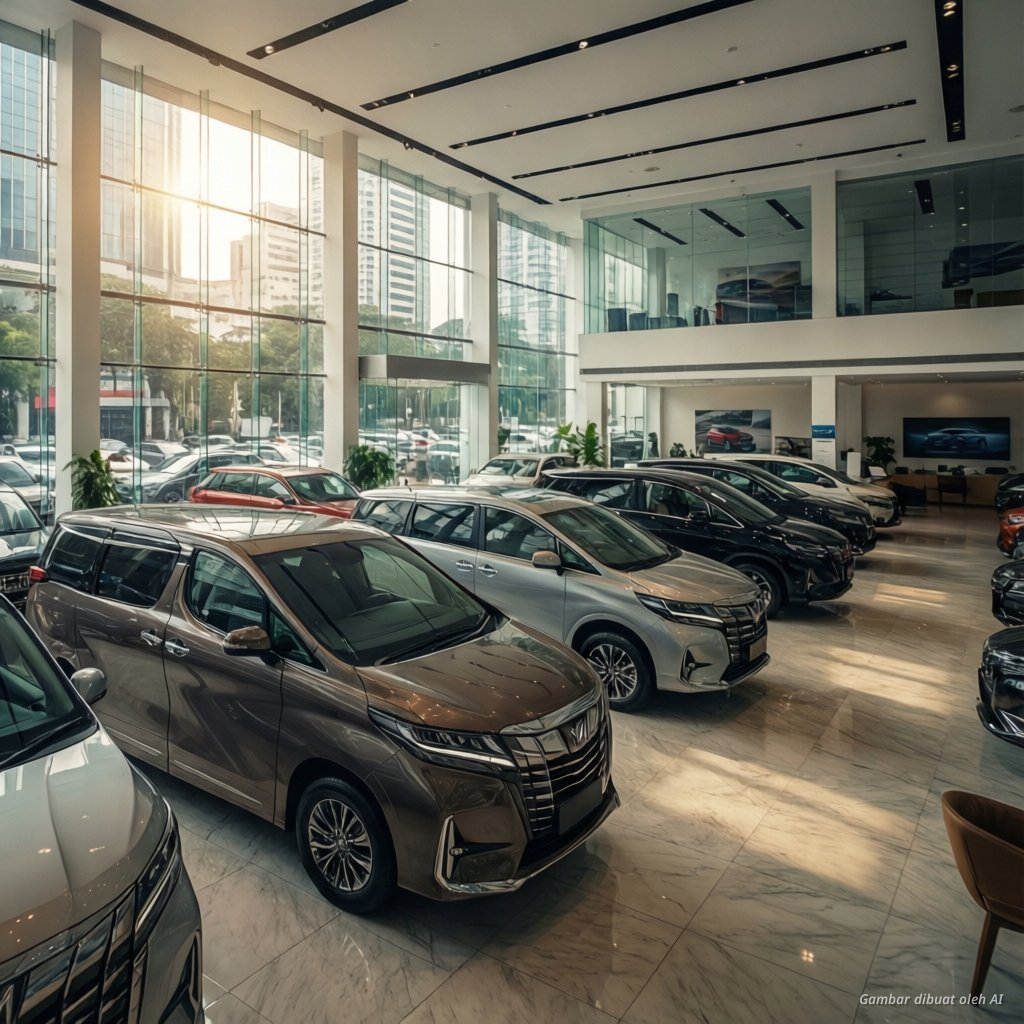
The pandemic has brought about drastic changes in the global automotive industry landscape, including in Indonesia. Consumer behavior has undergone a significant shift due to social restrictions and the economic uncertainty that occurred during the health crisis.
For market researchers, understanding these dynamics is crucial for predicting the future direction of the industry. These changes are not merely temporary; they are forming new consumption patterns that are more digital and utility-oriented.
Sharp decline and market recovery phase
The Indonesian automotive industry experienced a major shock in 2020. Data from GAIKINDO shows that wholesale car sales plummeted by 48.3% compared to the previous year [2]. This figure reflects the tangible impact of social activity restrictions on public purchasing power.
However, the market showed remarkable resilience. Through government intervention in the form of the Government-Borne Luxury Goods Sales Tax (PPnBM DTP) incentive, the industry began to recover [3]. This policy proved effective in restoring consumer confidence and stimulating national sales figures once again [1].
Shift in consumer behavior toward digitalization
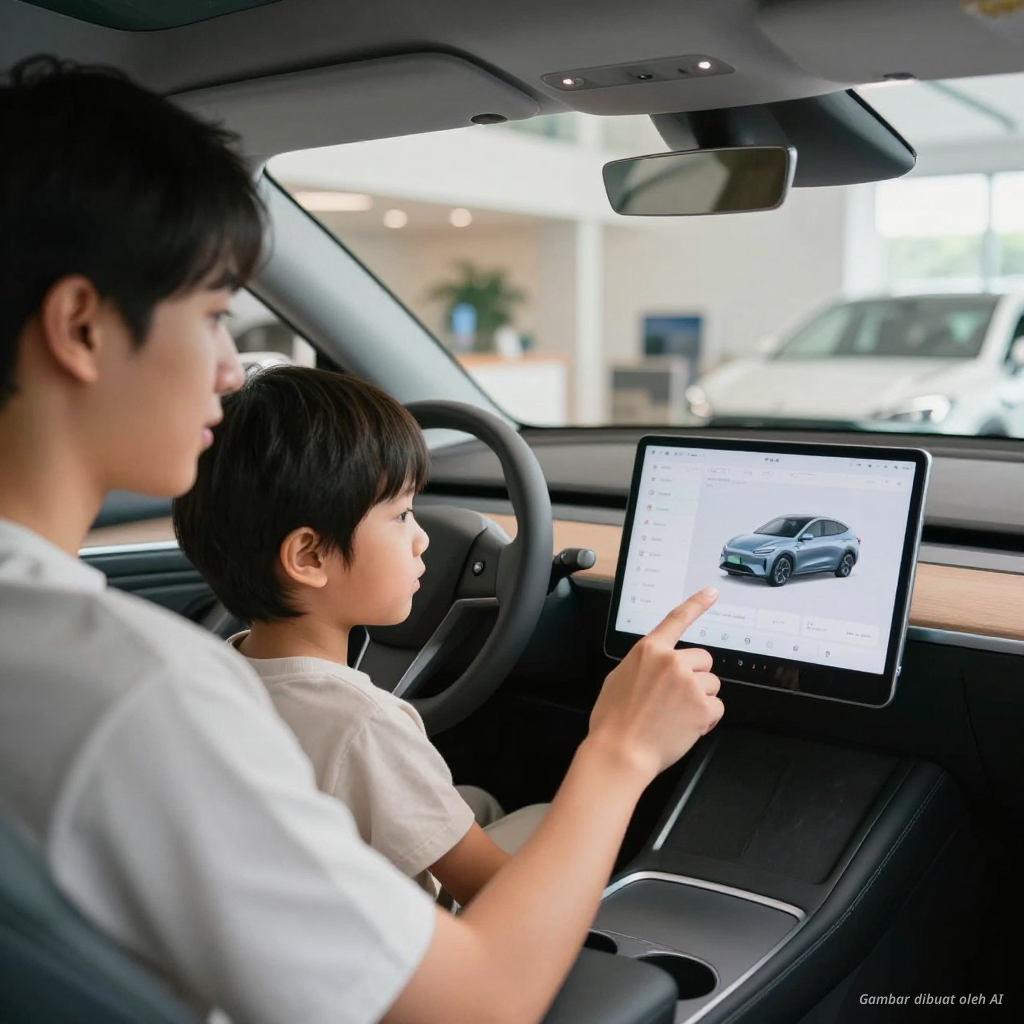
Physical restrictions forced consumers to change how they search for information. Now, the process of searching for a car is largely done through online channels before deciding to visit a dealership in person [2].
Automotive dealers are responding to this trend by providing more interactive services regarding the impact of social media on car purchasing decisions in Indonesia. Consumers are now more comfortable using features like virtual showrooms and online consultations to compare vehicle specifications.
Car ownership as a private safe space
The pandemic changed public perception regarding transportation. A private car is now viewed not only as a symbol of social status but as a means of health protection for the family [1]. Many Indonesian families have started to prioritize car ownership to avoid the risk of transmission on public transportation.
This shift in motivation has driven demand for efficient and functional vehicle segments. Families tend to choose cars that offer maximum comfort at a competitive price [3].
Surge in the used car market and price sensitivity
Post-pandemic economic uncertainty has made consumers more cost-conscious. This has triggered rapid growth in used car re-commerce platforms that offer price transparency and official warranties [2].
For many buyers, a used car is a rational solution for obtaining a quality vehicle on a limited budget. This trend is forcing industry players to pay closer attention to a complete guide to maintenance and care for electric vs. gasoline cars in their marketing strategies.
Vehicle segments dominating the market
Despite these changes, the Multi-Purpose Vehicle (MPV) segment remains the favorite in Indonesia. This type of vehicle is considered the most suitable for family needs that prioritize passenger capacity and fuel efficiency [1].
In addition, interest in Low Cost Green Cars (LCGC) and compact SUVs continues to rise. Consumers are looking for value for every rupiah spent, especially for vehicles with low operating costs [3].
Accelerated interest in electric vehicles
Awareness of long-term operating costs has triggered interest in electric vehicles (EVs). Government incentives supporting the eco-friendly vehicle ecosystem have become a major catalyst for consumers to switch from internal combustion engines [3].
Market researchers note that fuel efficiency is a key deciding factor alongside environmental issues. This trend is expected to continue as more EV models become available in the domestic market [1].
Strategic implications for market researchers
For professionals in market research, post-pandemic data provides valuable insights into more pragmatic consumer behavior. Future marketing strategies must integrate digital experiences with personalized physical services.
Understanding the impact of the pandemic on the Indonesian automotive industry allows companies to adjust product offerings to meet the real needs of the public. Flexibility in financing models and service transparency will be the keys to success in this increasingly competitive market.
More Information
- GAIKINDO: The Association of Indonesia Automotive Industries, an association that oversees automotive manufacturers and distributors in Indonesia, plays a vital role in providing sales statistical data and national motor vehicle market analysis.
- PPnBM DTP: Government-Borne Luxury Goods Sales Tax, a fiscal policy provided by the government to stimulate the automotive market by offering tax discounts on the purchase of certain new cars.
- Wholesales: A term in the automotive industry referring to the number of car units shipped from the factory to dealers, often used as a primary indicator of the health of the national automotive market.
- LCGC: Low Cost Green Car, a vehicle segment with affordable prices and efficient fuel consumption designed specifically to meet the mobility needs of the general public with eco-friendly emission standards.
- Car re-commerce: A digital platform that facilitates the buying and selling of used cars with professional inspection systems, vehicle condition transparency, and the provision of warranties to increase consumer trust in transactions.
Related Posts
-
 Uncategorized
Key factors driving the shift to electric vehicles
Read more →The automotive world is undergoing a major transformation toward an eco-friendly era. In many countries, including Vietnam and Indonesia, interest…
-
 Uncategorized
Why electric vehicles are increasingly in demand by consumers today
Read more →The automotive world is undergoing a major transformation toward an environmentally friendly era. In Indonesia, the trend of using electric…
-
Uncategorized
OTA updates for smart massage chair systems for maximum relaxation
Read more →For long-distance drivers, maintaining physical health is a top priority. Smart massage chairs have become an innovative solution for recovering…