
The imported car market in Indonesia: intense competition and new regulations
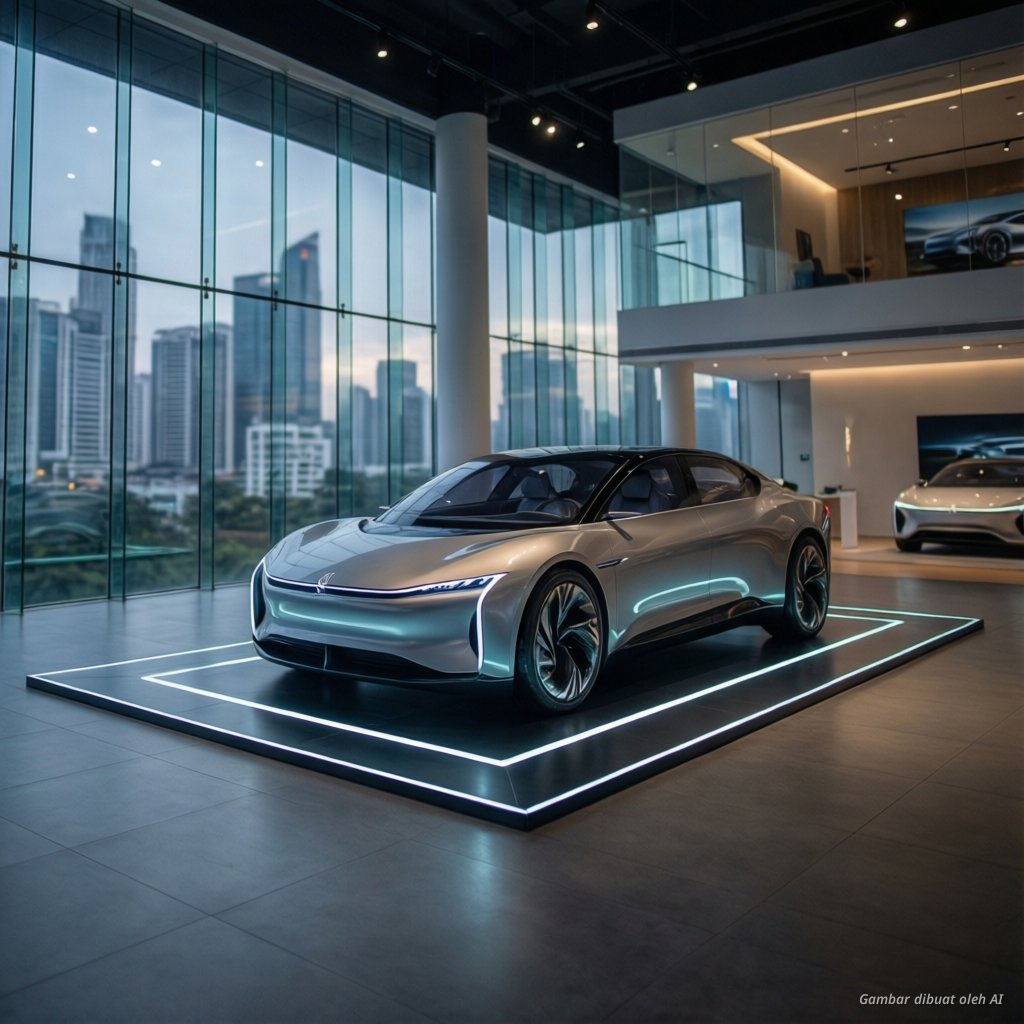
The Indonesian automotive industry has undergone a major transformation in recent years. For vehicle importers, understanding the constantly changing market dynamics is the key to business success. The government is now actively encouraging the transition toward electric vehicles through various strategic policies that affect the national flow of car imports.
The latest regulations provide both opportunities and challenges for business players. These policies do not only regulate import duties but also demand more serious investment commitments from brand holders. Importers must adapt quickly to remain relevant amidst increasingly fierce competition.
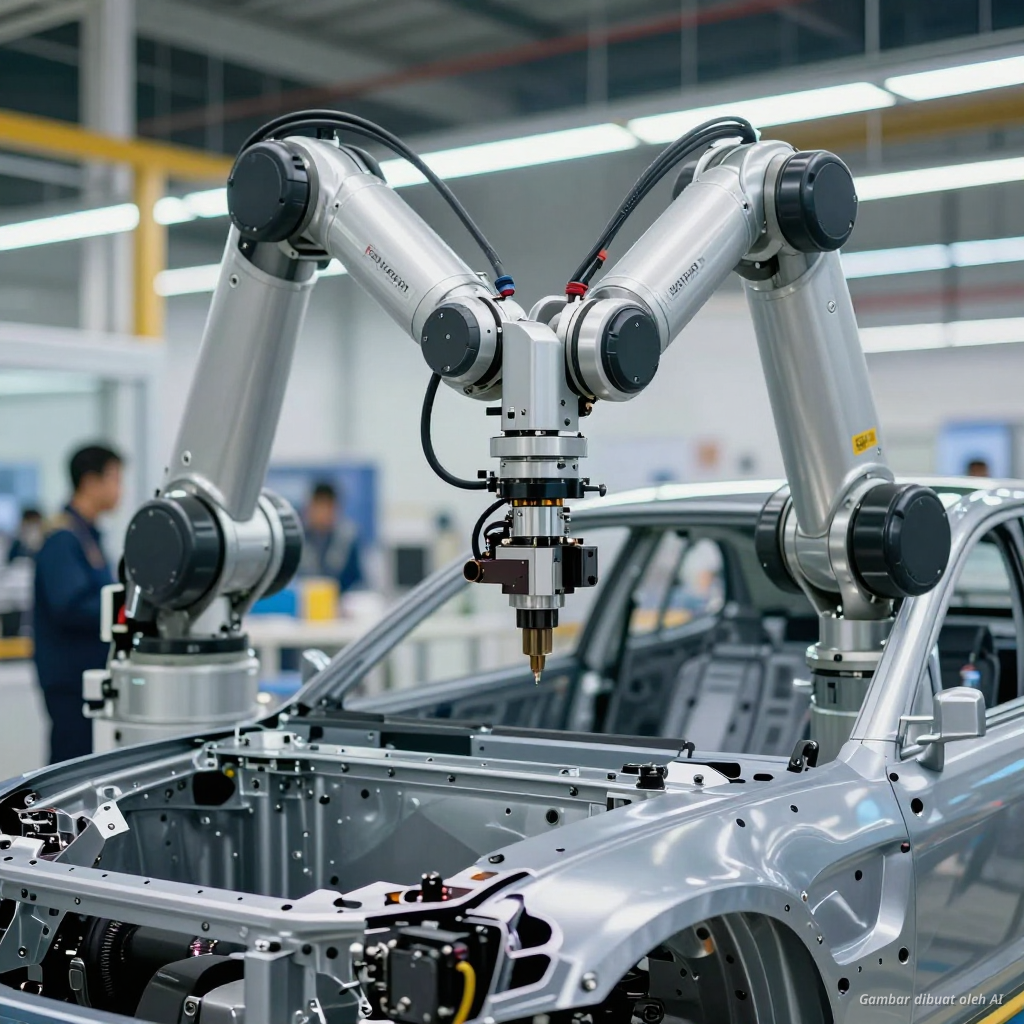
Electric vehicle import incentive policies
The Indonesian government has issued Presidential Regulation No. 79 of 2023 as a revision to previous rules to accelerate the battery-based electric motor vehicle program [1]. This regulation provides a breath of fresh air for importers through the facility of import duty exemptions and 0% luxury goods sales tax (PPnBM) for Completely Built Up (CBU) imported vehicles [2].
These incentives are valid until the end of 2025 with fairly strict conditions. Importers are required to provide an investment commitment to build local assembly facilities or Completely Knocked Down (CKD) plants in Indonesia [3]. If these commitments are not met, the government will impose sanctions in the form of an obligation to repay the taxes that were previously exempted.
Investment requirements and local assembly
The government implements strict oversight through a bank guarantee system for companies wishing to utilize import incentives. This step ensures that importers are not just selling foreign products, but also contributing to the growth of the domestic manufacturing industry. A complete guide to electric car vs. gasoline car care and maintenance can help importers understand the current technical needs of the market.
In addition, there is a more realistic adjustment to the Domestic Component Level (TKDN) target. The minimum target of 40% for TKDN has been postponed until 2026, while higher targets are set for the following years [1]. This provides space for industry players to build a stronger local supply chain before reaching the 80% target by 2030.
Automotive market competition dynamics
The entry of new brands from China such as BYD, Chery, and Neta has changed the competitive landscape drastically. They are leveraging duty-free CBU import facilities to penetrate the market aggressively [3]. This phenomenon has created a price war that is squeezing profit margins in the electric vehicle segment.
On the other hand, Japanese manufacturers that have long dominated the Indonesian market continue to rely on Hybrid Electric Vehicle (HEV) technology. They choose to produce these models locally to maintain an established manufacturing ecosystem [2]. This strategy poses a unique challenge for importers focusing on pure electric vehicles.
Strategic challenges for importers
Importers are now facing issues regarding the price stability of the used car market due to the influx of new electric cars at competitive prices. Uncertainty regarding the resale value of electric vehicles is a major concern for consumers. Therefore, market education has become crucial for importers.
Furthermore, the readiness of the local supply chain is a major challenge for manufacturers newly entering Indonesia. Meeting TKDN standards requires collaboration with quality local component providers. Importers must think about long-term strategies to remain competitive once their local assembly facilities are fully operational [3].
The future of the national automotive industry
Indonesia is transforming from merely an import market into a production and export base for the Southeast Asian region. The government continues to push for CBU electric car import incentive rules to trigger national economic growth [2]. For importers, the key to success lies in compliance with regulations and the ability to adapt to new technologies.
The use of AI-based collision warning systems for the automotive industry is also becoming a new standard in vehicle features. Importers capable of providing products with cutting-edge technology and strong after-sales support will win the hearts of Indonesian consumers. With careful planning, opportunities in the Indonesian automotive market remain wide open for players who dare to invest.
More Information
- Presidential Regulation 79/2023: Government regulation governing the acceleration of the electric vehicle program in Indonesia, including the provision of CBU import incentives and local manufacturing investment requirements for automotive producers [1].
- CBU (Completely Built Up): Vehicles imported in their entirety from the country of origin to Indonesia without going through a local assembly process, often receiving special incentives if they meet certain criteria [2].
- TKDN (Domestic Component Level): The percentage of the value of local components used in the vehicle production process in Indonesia, which is a primary requirement for obtaining government incentives [3].
- BEV (Battery Electric Vehicle): A type of vehicle entirely powered by an electric motor with energy from a battery, serving as the main focus in the national automotive energy transition policy [1].
- PPnBM (Luxury Goods Sales Tax): A tax imposed on certain consumer goods classified as luxury items, for which the government provides exemptions or incentives for certain electric vehicles [2].
Related Posts
-
 Uncategorized
Key factors driving the shift to electric vehicles
Read more →The automotive world is undergoing a major transformation toward an eco-friendly era. In many countries, including Vietnam and Indonesia, interest…
-
 Uncategorized
Why electric vehicles are increasingly in demand by consumers today
Read more →The automotive world is undergoing a major transformation toward an environmentally friendly era. In Indonesia, the trend of using electric…
-
Uncategorized
OTA updates for smart massage chair systems for maximum relaxation
Read more →For long-distance drivers, maintaining physical health is a top priority. Smart massage chairs have become an innovative solution for recovering…