
Wireless charging technology for electric vehicles that is convenient at all times
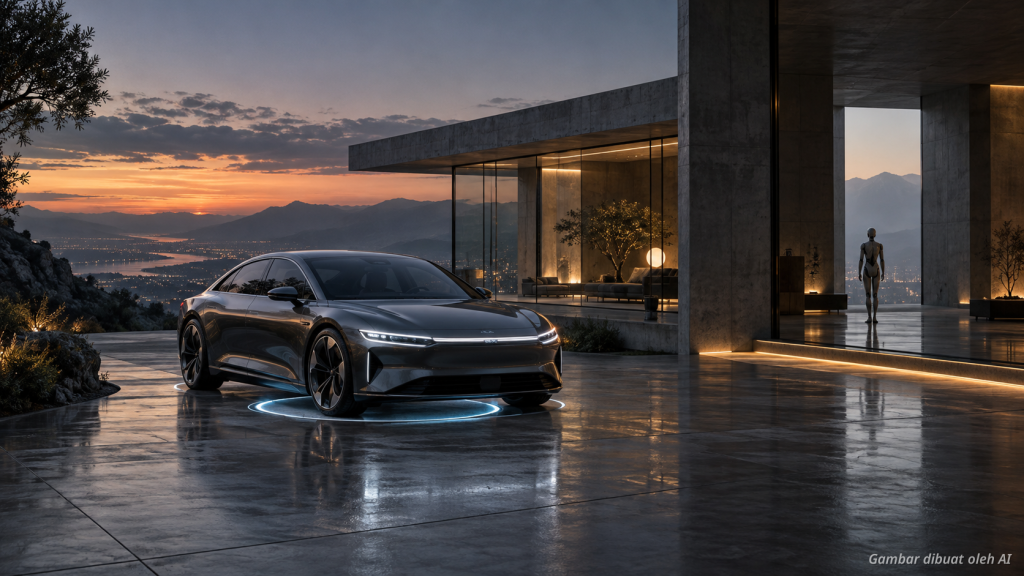
The automotive world is currently undergoing a major transformation toward an era of sustainable mobility. For electric vehicle (EV) users who prioritize convenience, innovation is the key to supporting a modern lifestyle. One of the most anticipated breakthroughs is wireless charging technology, which offers ease of use without the hassle of physical cables.
This concept works like wireless charging for smartphones, using magnetic induction technology to transfer energy to the vehicle's battery[1]. With this system, drivers simply park their vehicles over a special charging pad to start the charging process automatically[2]. This is certainly a solution for those who want time efficiency and convenience in their daily routines.
Transformation of charging infrastructure in Indonesia
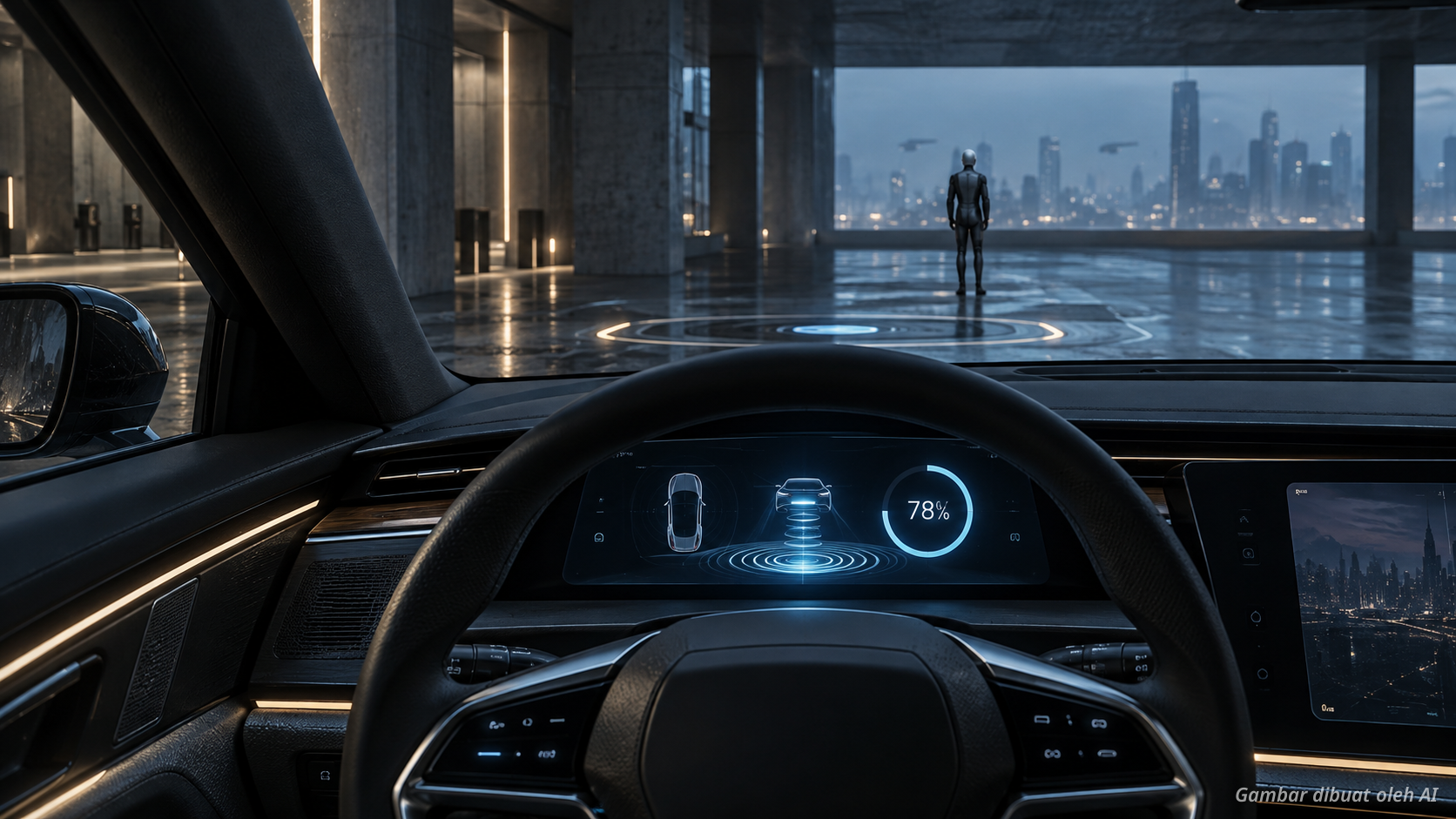
Indonesia is currently aggressively building a more environmentally friendly electric vehicle ecosystem. Strategic steps such as the construction of automatic charging lanes in the new capital city demonstrate the government's serious commitment. This technology is expected to eliminate psychological barriers for potential users, such as anxiety regarding limited driving range[4].
In addition to the government, the private sector is also playing an active role in expanding infrastructure reach. V-GREEN, for example, has established a presence in Indonesia to support the provision of thousands of charging ports for electric vehicle users[3]. These collaborative efforts ensure that the transition to clean energy can be experienced by all levels of society more easily.
Why convenience is the top priority
For many people, convenience is a deciding factor in choosing a vehicle. Users accustomed to the ease of smart home technology, such as integrated electrical devices, certainly expect the same standard for their cars[5]. Wireless charging eliminates the hassle of dealing with heavy and dirty cables in public places.
Furthermore, integrating this technology into daily life will increase productivity. You no longer need to set aside specific time at conventional charging stations. Instead, charging happens passively while you park your car at home or the office. To optimize this system, you can explore high-performance electric vehicle energy management software to keep power usage efficient.
Key benefits for users
Wireless charging technology offers various benefits that are highly relevant to an urban lifestyle. Here are some of the main advantages that can be enjoyed:
- Ease of use: Simply park, and charging will start automatically without manual intervention.
- Higher safety: Reduces the risk of cable damage due to weather or improper use.
- Spatial aesthetics: Eliminates cable clutter in home garages or building parking areas.
- Time efficiency: Provides flexibility for users to charge during gaps in daily activities.
The future of wireless mobility
The vision for the future is to create an environment where charging happens anywhere. The development of highways capable of charging vehicles while they are in motion is the next ambitious step[2]. This technology has the potential to change how we view long-distance travel with electric vehicles.
With increasingly mature infrastructure, the barriers to switching to electric vehicles will become smaller. Users can enjoy maximum comfort without having to worry about running out of power on the road. If you are interested in the development of this technology, you can also review the development of applications for a vast electric vehicle ecosystem to understand how software supports this hardware.
Challenges and sustainable solutions
Although promising, the implementation of this technology requires uniform standards across the industry. Collaboration between car manufacturers and infrastructure providers, such as the extensive V-GREEN network, is crucial for long-term success[3]. Standardization will ensure that every electric vehicle can use any charging pad safely.
The government also needs to continue providing incentives for companies that invest in wireless technology research. With the right policy support, Indonesia can become a leader in the adoption of green technology in Southeast Asia. A focus on innovation will have a positive impact on the environment while improving the quality of life for the community.
Conclusion
Wireless charging technology is the future for electric vehicle users who love convenience. By eliminating the need for cables, this technology provides a user experience that is much more practical and modern. The continuously developing infrastructure in Indonesia is proof that the future of clean mobility is on the horizon.
Let us welcome this new era with high enthusiasm. By choosing an electric vehicle, you not only enjoy the convenience of technology but also contribute to environmental preservation for future generations. The future of mobility is not just about efficiency, but about how technology simplifies every step of your journey.
More Information
- Magnetic induction: A physical phenomenon where electric current is generated through a magnetic field, which serves as the basis for wireless energy transfer technology in electronic devices and modern electric vehicles.
- Charging infrastructure: A network of facilities, including charging stations and automatic charging lanes, designed to provide energy supply for electric vehicles so they can operate with optimal range.
- V-GREEN: A global charging station infrastructure development company focused on providing smart, practical, and flexible charging solutions to support the electric vehicle ecosystem in various countries.
- Range anxiety: The feeling of worry or anxiety experienced by electric vehicle drivers due to the fear that the battery will run out before reaching their destination or the nearest charging station.
- Electric vehicle ecosystem: A collection of interconnected technologies, hardware, software, and supporting infrastructure designed to create a sustainable and efficient mobility experience for electric vehicle users.
Related Posts
-
 Uncategorized
Key factors driving the shift to electric vehicles
Read more →The automotive world is undergoing a major transformation toward an eco-friendly era. In many countries, including Vietnam and Indonesia, interest…
-
 Uncategorized
Why electric vehicles are increasingly in demand by consumers today
Read more →The automotive world is undergoing a major transformation toward an environmentally friendly era. In Indonesia, the trend of using electric…
-
Uncategorized
OTA updates for smart massage chair systems for maximum relaxation
Read more →For long-distance drivers, maintaining physical health is a top priority. Smart massage chairs have become an innovative solution for recovering…