
Smart cabin sensor technology for detecting left-behind children
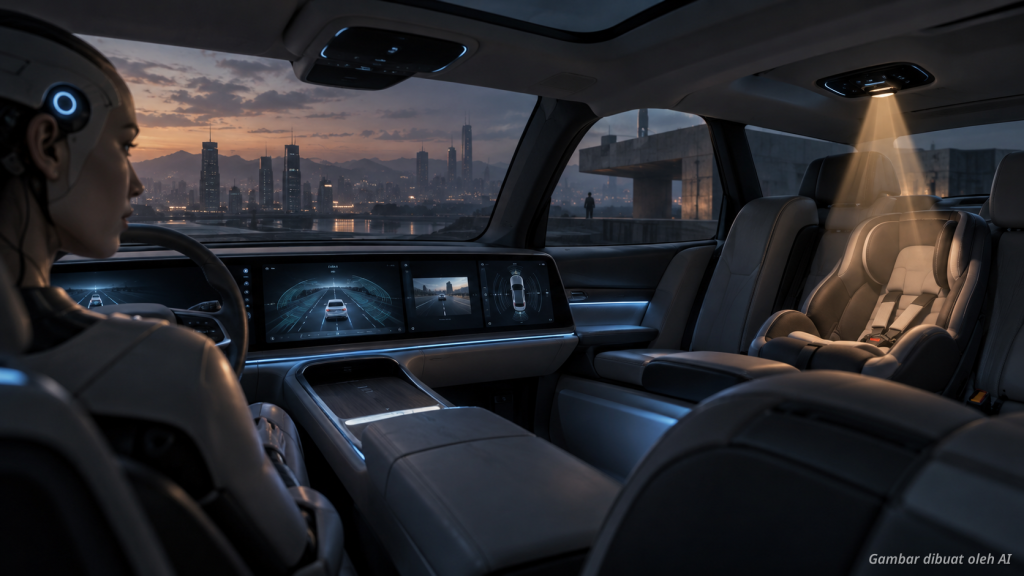
Child safety inside vehicles is a top priority for every parent. Unfortunately, tragic incidents of children being left behind in cars still occur frequently around the world. Technological innovation is now emerging as a crucial preventive solution.
Smart cabin sensor technology is specifically designed to detect the presence of a child. This system provides early warnings before dangerous situations actually occur. The use of advanced sensor technology, such as that developed by VinFast and Vayyar, represents a significant step forward in the automotive industry [1].

The importance of child protection in the digital ecosystem
Indonesia is now leading as the first Global South country to adopt binding regulations regarding age-appropriate design. The government requires technology companies to mitigate the risks their digital products pose to children [2]. This includes stricter data protection and privacy measures.
The Indonesian government emphasizes that children should not be treated as commodities in the world of technology. Innovations like cabin sensors must comply with strict privacy standards. You can learn more about child protection efforts in this digital era [2].
How cabin sensor technology works
Smart cabin sensors use radio waves or radar sensors to monitor movement inside the car. This technology is capable of detecting very subtle breathing or heartbeats. Even if a child is sleeping, the sensor can still accurately recognize them.
This system works automatically when the engine is turned off by the driver. If the sensor detects the presence of a child, the system will send a notification to the parent's phone. Additionally, the car horn or lights can be activated as an emergency warning. The integration of the role of AI in analyzing driving styles to improve safety also supports modern vehicle safety systems.
Benefits of smart sensors for parents
Fatigue or distractions are often the primary reasons parents forget to take their children out of the car. Smart sensors act as a "reminder assistant" that never tires. Here are some of the key benefits for families:
- Detects the presence of a child in the back seat in real-time.
- Reduces the risk of fatalities due to extreme heat inside the cabin.
- Provides peace of mind for parents while driving.
- Prevents human error through automatic alerts.
Future innovations in the automotive industry
The automotive industry continues to evolve with advanced screens and increasingly integrated sensor systems. Some manufacturers have even begun testing giant transparent screens to monitor cabin conditions [4]. This technology is expected to be combined with child detection sensors in the future.
Furthermore, monitoring children's health is also becoming a new trend. Just as parents use technology to monitor baby health at home, car sensors will soon become a safety standard [3]. This innovation ensures that every family trip becomes much safer.
Maintaining safety on every journey
Although technology is very helpful, the role of parents remains irreplaceable. Always make it a habit to check the back seat before leaving the car. Use cabin sensors as a second layer of protection, not as the only line of defense.
The right technology will help us avoid unwanted incidents. With the support of strict regulations in Indonesia, the future of child safety inside vehicles looks very promising [5]. Always keep up with developments in smart electric vehicle anti-theft software to protect your assets so that your family remains protected.
More Information
- Radar sensor: Technology that uses electromagnetic waves to detect objects or movement inside a vehicle cabin, even when a child is still or fast asleep [1].
- Age-appropriate design regulation: Legal standards that require technology companies to design digital products that are safe for children, prioritizing privacy and protection from exploitation [2].
- Digital health monitoring: The use of sensor devices to track biological data or children's habits to proactively ensure their health and safety [3].
- Automotive transparent display: A car dashboard display innovation that allows drivers to see important information while also monitoring cabin conditions more clearly [4].
- Global South: A term for developing countries that are now starting to actively adopt global standards for the protection of children's rights in the modern technology ecosystem [5].
Related Posts
-
 Uncategorized
Key factors driving the shift to electric vehicles
Read more →The automotive world is undergoing a major transformation toward an eco-friendly era. In many countries, including Vietnam and Indonesia, interest…
-
 Uncategorized
Why electric vehicles are increasingly in demand by consumers today
Read more →The automotive world is undergoing a major transformation toward an environmentally friendly era. In Indonesia, the trend of using electric…
-
Uncategorized
OTA updates for smart massage chair systems for maximum relaxation
Read more →For long-distance drivers, maintaining physical health is a top priority. Smart massage chairs have become an innovative solution for recovering…