
The role of AI in creating personalized music experiences in electric vehicles
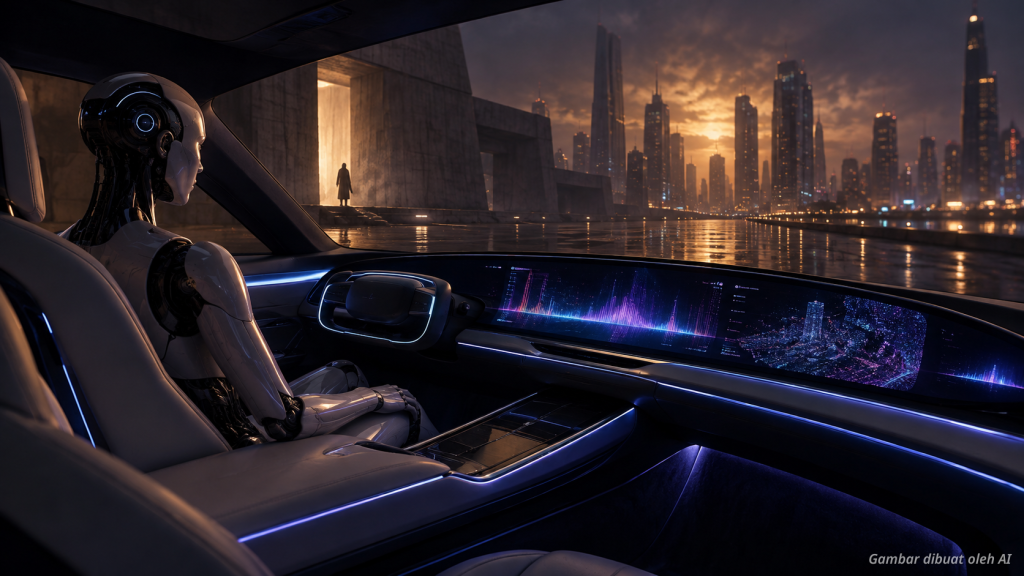
The automotive world is currently undergoing a major transformation alongside the popularity of electric vehicles. It is not just about energy efficiency; in-cabin technology has now become a primary focus for car manufacturers. The integration of artificial intelligence (AI) now enables the creation of a highly personalized audio experience for every passenger [1].
For music lovers, a journey is no longer just about moving from one point to another. With the help of advanced algorithms, in-car entertainment systems can instantly recognize a listener's preferences. This technology is even beginning to be applied in modern public transportation services to improve passenger comfort [2].
How AI is changing the way we listen to music
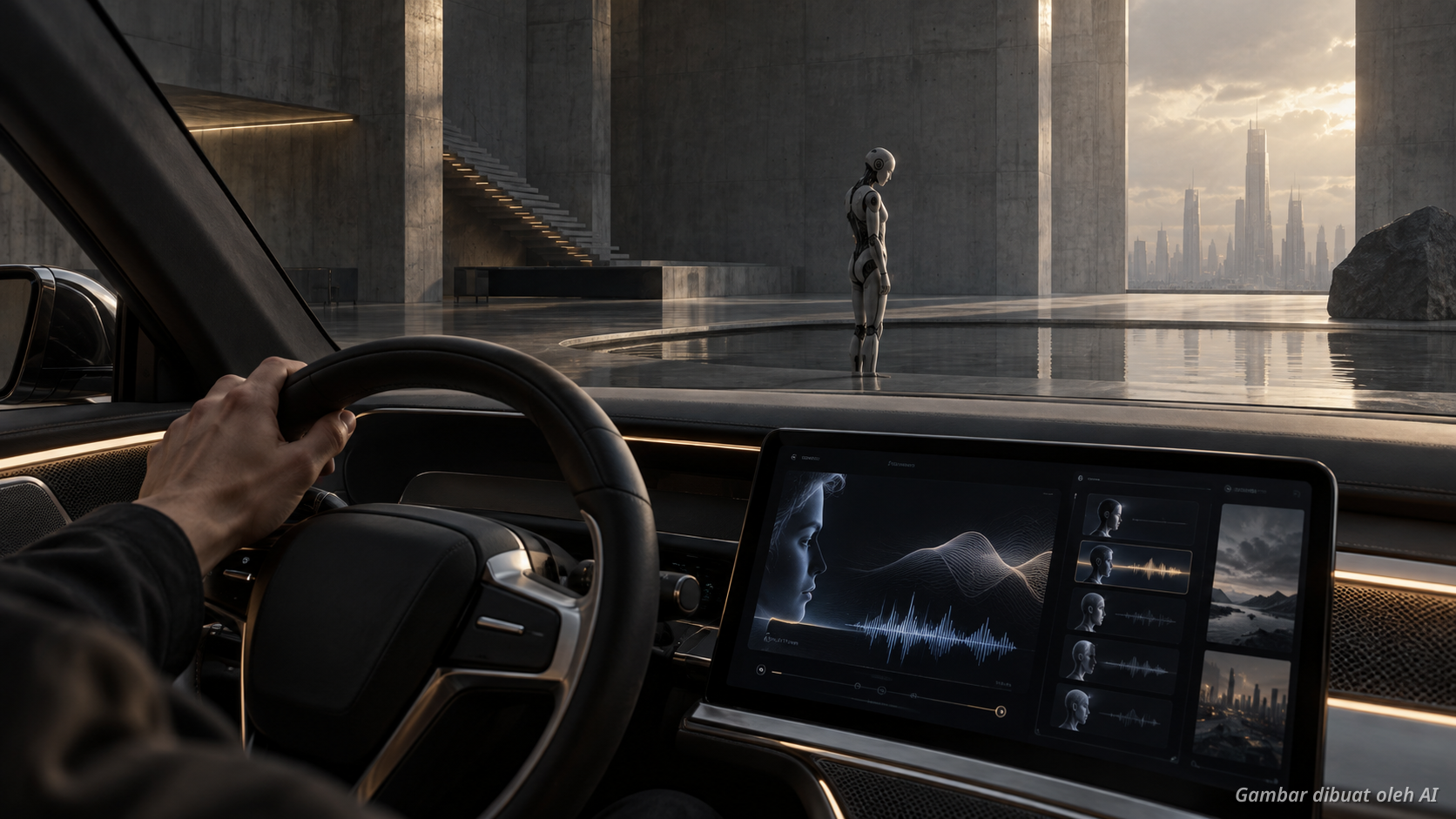
Artificial intelligence works by analyzing user behavior data in real-time. The system learns the listener's genres, tempo, and even mood based on their history of frequently played songs. This innovation creates a dynamic entertainment ecosystem within electric vehicles [1].
Additionally, AI can adjust sound quality based on the unique acoustics inside the car cabin. This ensures that every note sounds clear without interference from outside noise. Users can experience the sensation of a private concert on every one of their trips [2].
Technology integration in the modern vehicle market
The electric vehicle market in Southeast Asia, including Indonesia, continues to grow rapidly as a regional hub for automotive innovation [3]. Many companies are now adopting AI technology to increase the competitiveness of their products. User experience has become the top priority in this industry competition.
Some premium transportation services have even begun offering trip customization features that include specific entertainment options [2]. You can read more about the role of AI in analyzing driving styles to improve safety to understand how this technology is fully integrated. This innovation proves that the vehicles of the future will be more than just a means of transportation.
Audio personalization for maximum comfort
Personalization is not just about the right playlist. AI is capable of automatically adjusting audio volume and balance according to activities inside the car. For example, when a passenger is working, the AI will lower the music tempo to keep the atmosphere conducive [2].
This feature is highly relevant for families or professionals who spend a lot of time on the road. With increasingly smart transportation services, passenger comfort is becoming the new standard. AI ensures that every second in the car provides maximum satisfaction for your ears.
The future of in-vehicle entertainment
Looking ahead, AI integration will become even deeper with biometric sensors. Cars will be able to detect a passenger's heart rate or stress levels to suggest calming music. This technology is being developed to create a healthier and more enjoyable environment [1].
For developers, the main challenge is maintaining user data privacy when implementing these personalization features. Information security is key to ensuring this technology is widely accepted by the public [4]. You can also explore smart cabin sensor technology for detecting left-behind children as part of the future vehicle safety ecosystem.
Conclusion
AI has opened a new chapter in the music listening experience in electric vehicles. With the ability to adapt personally, this technology turns routine trips into valuable moments. Users can now enjoy music with the best quality tailored specifically for them [5].
Along with significant electric vehicle market growth, we can expect more audio innovations in the future. For music lovers, the future of the automotive industry looks very promising with the touch of continuously evolving smart technology.
More Information
- Generative AI: Artificial intelligence technology capable of creating new content such as music or text based on previously learned data patterns to provide a highly personalized experience for users [1].
- Audio personalization: The process of automatically adjusting sound output, music genre, and volume based on individual preferences and vehicle cabin environmental conditions for optimal comfort [2].
- Electric vehicles: Transportation tools that use an electric motor as the primary mover, which are now becoming the main platform for the implementation of various smart technologies and modern connectivity [3].
- Data security: Protection protocols for user personal information collected by AI systems in vehicles to ensure privacy is maintained during the personalization process [4].
- Entertainment applications: Software integrated into car infotainment systems to manage audio and visual content, often equipped with creative tools to improve media quality [5].
Related Posts
-
 Uncategorized
Key factors driving the shift to electric vehicles
Read more →The automotive world is undergoing a major transformation toward an eco-friendly era. In many countries, including Vietnam and Indonesia, interest…
-
 Uncategorized
Why electric vehicles are increasingly in demand by consumers today
Read more →The automotive world is undergoing a major transformation toward an environmentally friendly era. In Indonesia, the trend of using electric…
-
Uncategorized
OTA updates for smart massage chair systems for maximum relaxation
Read more →For long-distance drivers, maintaining physical health is a top priority. Smart massage chairs have become an innovative solution for recovering…